
Future Economic Trends: Forecasts for Generic Drug Markets
The global generic drug market is set to reach $700 billion by 2030, driven by patent expirations, aging populations, and cost pressures. Discover key trends, regional leaders, and the rise of biosimilars.
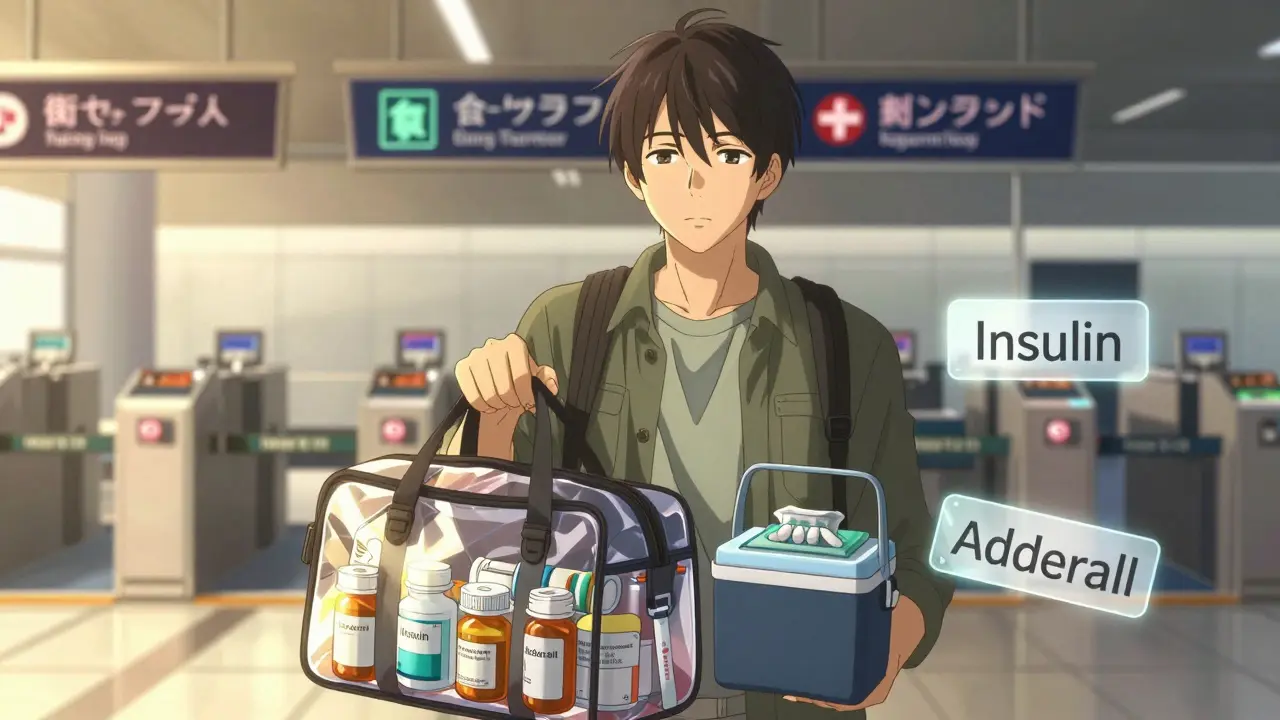
Travel Safety: Managing Medications and Side Effects Away from Home
Learn how to safely travel with prescription and over-the-counter medications abroad. Avoid legal trouble, lost meds, and side effects with expert tips on TSA rules, international laws, storage, and time zone adjustments.

Rheumatoid Arthritis Medications: Understanding DMARD and Biologic Interactions
DMARDs and biologics are the backbone of rheumatoid arthritis treatment. Learn how they work together, their risks, costs, and why combination therapy often works best-backed by current guidelines and real-world data.
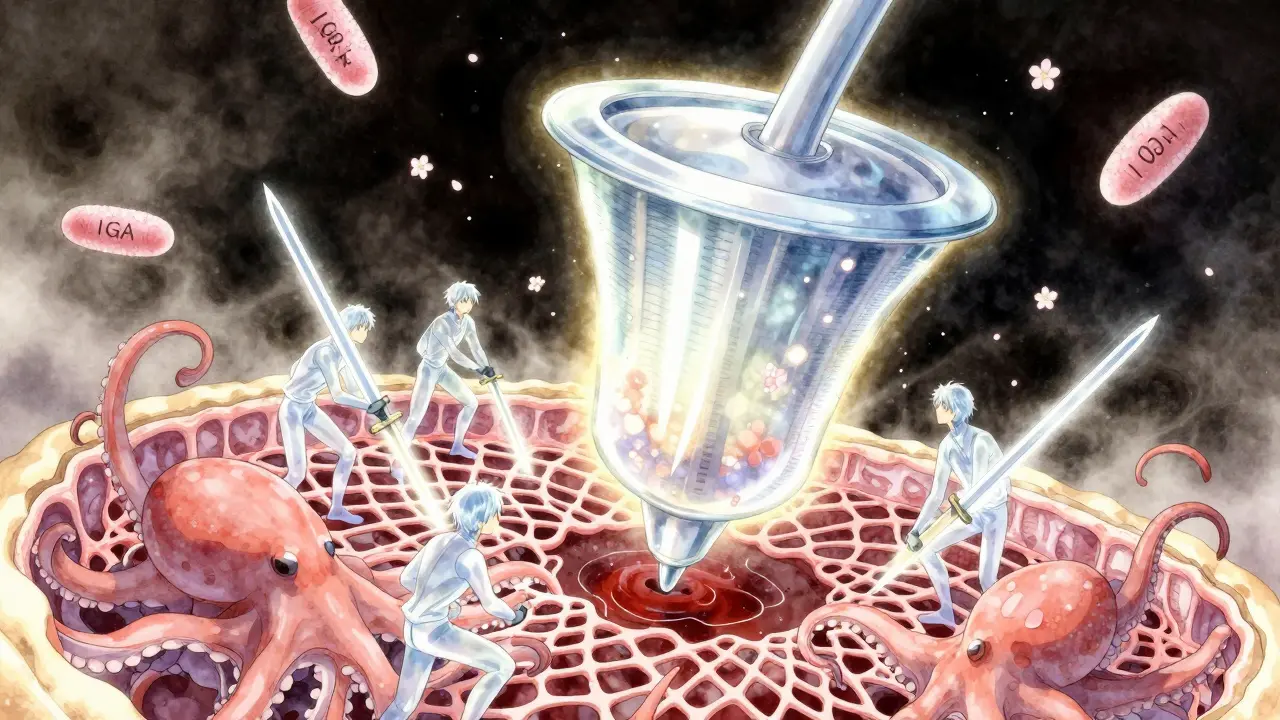
Glomerulonephritis: How Your Immune System Attacks Kidney Filters
Glomerulonephritis is an immune system attack on the kidney's filtering units, leading to blood or protein in urine, swelling, and high blood pressure. Learn the types, symptoms, and new targeted treatments beyond steroids.

Preterm Infants and Medication Side Effects: What NICU Teams Need to Know
Preterm infants face unique risks from medications in the NICU. Learn which drugs are commonly used, why they cause side effects, and how new guidelines are changing care to protect long-term health.

Extended Use Dates: How the FDA Extends Drug Expirations During Shortages
The FDA extends expiration dates for critical drugs during shortages using science-based reviews to keep essential medications available. Learn how it works, which drugs qualify, and what providers must do to stay compliant and safe.

How to Make a Medication Action Plan with Your Care Team
Learn how to create a personalized Medication Action Plan with your care team to improve medication adherence, avoid dangerous interactions, and reduce hospital risks. A simple, step-by-step guide for anyone taking multiple prescriptions.

How to Address Forgetfulness with Smart Pill Caps and Dispensers
Smart pill caps and dispensers help seniors and those with chronic conditions take medications on time by using alarms, lights, and remote monitoring. Learn how these devices work, which ones are best for different needs, and how to get them covered by insurance.

Early Warning Signs of Dangerous Medication Side Effects: What to Watch For
Learn the early warning signs of dangerous medication side effects - from sudden breathing trouble to slow-burning organ damage - and what to do before it's too late. Know when to call 911 and when to call your doctor.

Antihistamines and Pain Relievers While Nursing: What’s Safe
Learn which antihistamines and pain relievers are safe to take while breastfeeding. Get clear, evidence-based advice on loratadine, cetirizine, ibuprofen, acetaminophen, and what to avoid to protect your baby.

Medication Reminder Strategies: Apps, Alarms, and Organizers for Better Adherence
Discover practical medication reminder strategies using apps, alarms, and pill organizers to improve adherence, reduce risks, and avoid dangerous missed doses. Learn what works, what doesn’t, and how to choose the right system for your needs.

FDA's 180-Day Exclusivity: How First Generic Applicants Gain Market Advantage
FDA's 180-day exclusivity rewards the first generic drug maker to challenge a patent, but delays and deals have turned it into a tool for market control. Here's how it works - and why reform is coming.