
When a life-saving drug runs out, hospitals don’t just wait for more to arrive. In the U.S., the FDA has a quiet but powerful tool to keep patients covered: extending the expiration dates of drugs still in stock. This isn’t a loophole or a shortcut. It’s a science-backed, tightly controlled process that kicks in when shortages threaten care - and it’s happening right now.
Why expiration dates get extended
Expiration dates on medicine aren’t arbitrary. They’re based on stability testing: how long the drug stays safe, strong, and effective under proper storage. But those dates are often set conservatively. Many drugs remain stable for years beyond their printed date - if the data supports it. When a shortage hits - say, a key IV fluid or an antibiotic used in emergency rooms - the FDA doesn’t just sit back. They work with manufacturers to review real-world stability data. If the evidence shows the drug hasn’t degraded, they approve an extension. This isn’t guesswork. It’s lab testing. It’s chemistry. It’s regulatory review. The goal? Keep critical meds available until new batches can be made. Not to cut corners. Not to save money. To save lives.How the FDA decides which drugs qualify
Not every drug on the shortage list gets an extension. The FDA picks only those labeled as critical. These are drugs with no good alternatives - like epinephrine for anaphylaxis, propofol for anesthesia, or dantrolene for malignant hyperthermia. The agency looks at three things:- Is the drug essential? (No safe substitute)
- Is there solid stability data? (Real tests, not assumptions)
- Is the manufacturer willing to submit it? (They have to prove it)
The four ways expiration dates get extended
The FDA doesn’t use one method. They have four pathways:- Manufacturer-initiated extensions - Most common. The company runs stability tests and sends the data to the FDA. If it checks out, the agency approves the new date.
- Shelf-Life Extension Program - Used for stockpiled drugs, especially for national emergencies. This is how the government keeps antivirals like Tamiflu ready for outbreaks.
- Emergency Use Authorizations - Activated during public health crises. In July 2024, Tamiflu and Relenza got extensions under this path after the HHS Secretary declared an emergency.
- Enforcement Discretion - Rare. Used when the FDA decides not to take action against use of a drug past its label date - usually because no other options exist and the risk is low.

What the extension actually means for hospitals
Here’s what matters most to nurses and pharmacists: It’s not a blanket extension. The FDA doesn’t say, “All propofol is good for two more years.” They list specific NDC numbers and lot numbers. You have to check the FDA’s online table to see which exact bottles or vials are approved for extended use. For example:- Lot HN8657 of Meperidine hydrochloride - extended to Jan 30, 2026
- Lot 24LF701A of Ethiodized oil - extended to March 31, 2026
- Multiple lots of Dantrolene - extended 6 to 9 months
Why this system works - and where it falls short
The FDA’s approach is smart because it’s targeted. It doesn’t try to fix the whole supply chain. It fixes the immediate gap. It uses existing inventory. It avoids waste. It’s cost-effective. And it’s backed by real science. But it’s also a band-aid. The root causes of shortages haven’t gone away: single-source manufacturing, overseas production delays, quality control failures, and lack of competition. A drug made by only one factory? If that factory shuts down for repairs, you’re out of luck. The FDA can extend expiration dates, but they can’t make more pills. That’s why the FDA also pushes manufacturers to report shortages early - thanks to the Food and Drug Administration Safety and Innovation Act (FDASIA) of 2012. Now, companies must tell the FDA about potential shortages before they happen. That gives the agency time to act: find alternative suppliers, speed up inspections, or approve expiration extensions before the shelves go bare.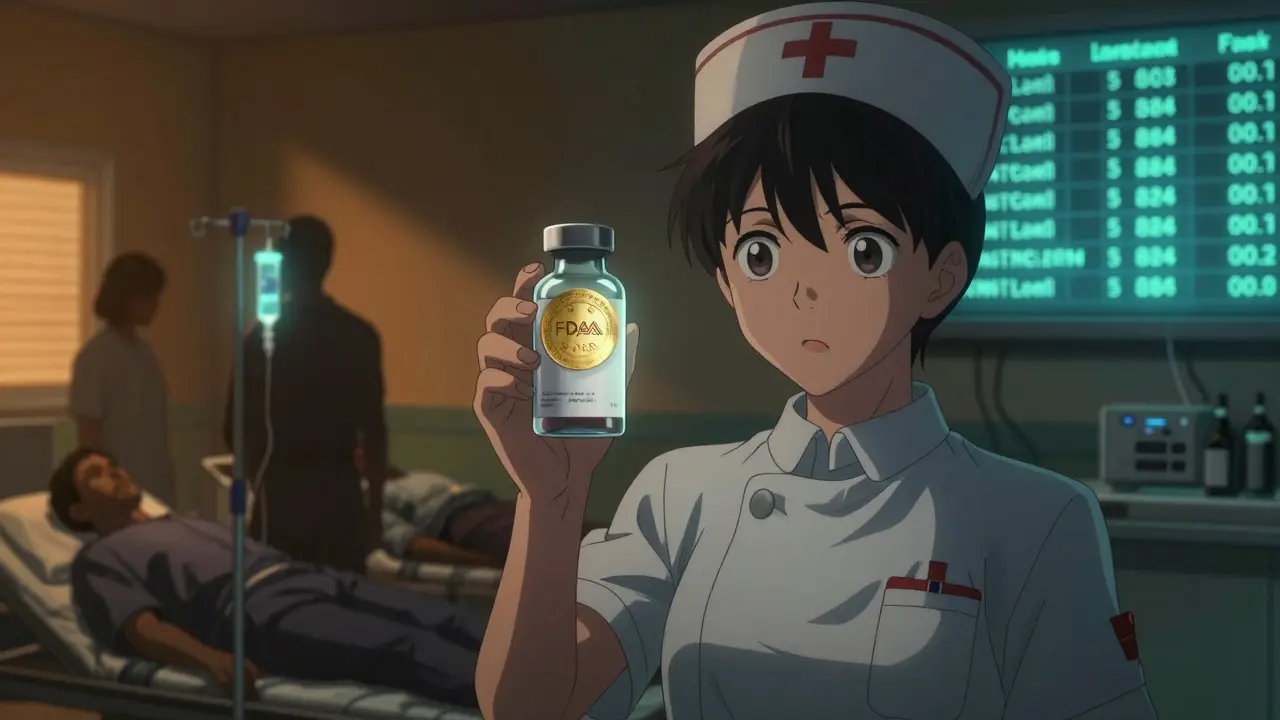
What you need to do if you’re a healthcare provider
If you’re managing medications in a hospital, clinic, or pharmacy:- Check the FDA’s Drug Shortages Database daily. It’s updated every business day.
- Match every drug you use to the lot numbers listed in the extended use table.
- Train staff to recognize which vials are approved for extended use - and which aren’t.
- Update your inventory system to flag extended-date lots.
- Never assume a drug is safe past its label date unless it’s on the official FDA list.
- If you’re unsure, contact your pharmacy director or the FDA’s Drug Shortages Staff.
The bigger picture: Is this sustainable?
As of January 2026, the FDA’s drug shortage list includes 343 products with extended expiration dates. That’s not a sign of success - it’s a sign of systemic stress. The pandemic stretched supply chains thin. Some shortages have eased. Others, like IV fluids, are getting worse. The FDA’s extension program is working - but it’s not a solution. It’s a stopgap. Long-term, we need more manufacturers. More competition. More resilience in drug production. But until then, expiration date extensions are the only tool keeping critical medicines flowing. The FDA isn’t extending dates because they want to. They’re doing it because patients need them. And when the science says it’s safe - they won’t let a piece of paper on a bottle stand in the way of care.What’s next for drug shortages?
The FDA says they’re working on more proactive solutions: helping manufacturers fix quality issues faster, approving new suppliers, and encouraging diversification of production. But none of that happens overnight. For now, expiration date extensions remain the most reliable way to bridge the gap. And as long as drug shortages persist - which they will - this system will keep running. The message to providers is clear: Stay informed. Check the list. Verify the lot. Don’t guess. Because when it comes to medicine, the date on the bottle isn’t always the whole story.Can I use a drug past its printed expiration date if it’s not on the FDA list?
No. Only specific lots with FDA-approved extensions are safe to use beyond the printed date. Using any other drug past its label date - even if it looks fine - is not permitted and could be dangerous. Always check the official FDA extended use dates table for approved lots.
Do I need to relabel drugs with extended expiration dates?
No, the FDA does not require or recommend relabeling. The original label stays on the container. However, your pharmacy system should track the extended dates internally so staff know which lots are approved. Never rely on memory or visual inspection.
Which drugs are most commonly extended?
Propofol injection is the most frequently extended drug, followed by epinephrine injection, dantrolene, and IV fluids like saline and dextrose. These are all critical, high-use medications with few or no alternatives. The FDA prioritizes these based on clinical need and stability data.
How long are expiration dates typically extended?
Most extensions add one year to the original expiration date. However, some cases - like IV solutions during the 2024 shortage - have been extended up to 24 months. The length depends entirely on the stability data submitted by the manufacturer and approved by the FDA.
Is this practice safe for patients?
Yes, when done correctly. The FDA only approves extensions after reviewing rigorous stability data showing the drug maintains identity, strength, purity, and potency. The process is science-driven, not political. The agency’s priority is patient safety - which is why they only extend dates for critical drugs where alternatives aren’t viable.
How often is the FDA’s extended use list updated?
The FDA updates its Drug Shortages Database daily, including new and resolved shortages and extended expiration dates. It’s the most current, authoritative source. Always check before using any drug past its printed expiration date.
Can pharmacies stockpile drugs with extended expiration dates?
The FDA expects that extended-date products will be used as soon as possible and replaced once normal supply resumes. Stockpiling is not encouraged. The goal is to use these drugs to meet immediate demand, not to build reserves. Pharmacies should follow their institutional policies and dispose of extended-date products if replacement becomes available.
For the latest official list of extended expiration dates, visit the FDA’s Drug Shortages page. It’s free, public, and updated daily. Don’t rely on rumors, old charts, or memory. When lives are on the line, the data is your only backup.


