Medication Safety Checker
How to Use This Tool
This tool helps you determine if your symptoms might indicate a dangerous medication side effect. Check any symptoms you're experiencing. If you're unsure whether something is dangerous, select it anyway. This tool will guide you on what to do next.
Remember: If you experience any life-threatening symptoms (like difficulty breathing, chest pain, or swelling), call 911 immediately. This tool is not a substitute for professional medical advice.
Life-Threatening Symptoms (Call 911 Now)
Symptoms Requiring Doctor Contact Within 24 Hours
Results
Medications save lives. But they can also hurt you - sometimes in ways that sneak up fast. You take a pill for your blood pressure, your pain, or your cholesterol, and everything seems fine. Then, out of nowhere, you feel dizzy, your skin breaks out in hives, or your chest tightens. These aren’t just "side effects" you read about on the label. These could be the first signs of something life-threatening. The difference between a mild reaction and a medical emergency often comes down to timing and recognition. If you know what to watch for, you can act before it’s too late.
What Makes a Side Effect Dangerous?
Not all side effects are the same. Some are annoying - dry mouth, drowsiness, upset stomach. These happen to about 35% of people taking prescription drugs, according to the FDA. They’re unpleasant, but rarely dangerous. Dangerous side effects are different. They’re rare - affecting roughly 1 in 1,000 medication courses - but they’re responsible for more than 1.3 million emergency room visits in the U.S. every year. And they kill around 128,000 people annually. The FDA defines a serious adverse reaction as one that leads to death, hospitalization, permanent damage, or a life-threatening condition. These aren’t theoretical risks. They’re real, documented, and often preventable - if you catch them early.Immediate Red Flags: Call 911 Now
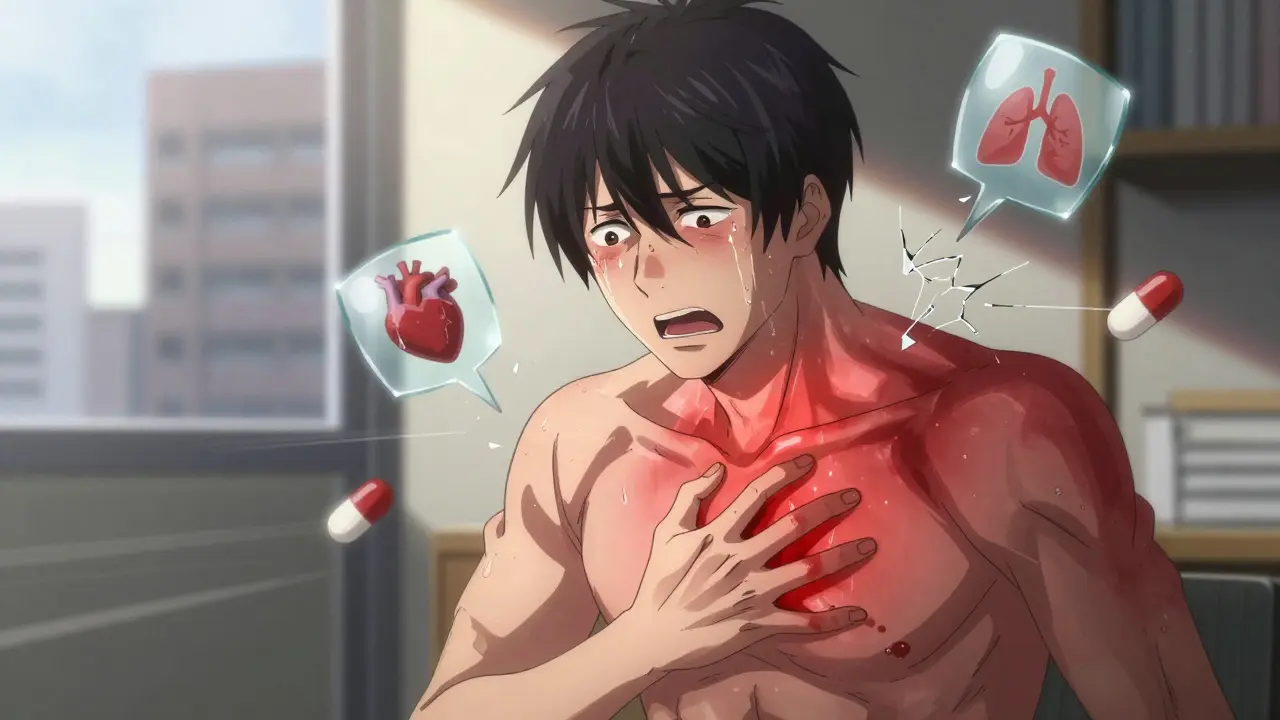
Some reactions happen within minutes. If you experience any of these after taking a new medication, don’t wait. Don’t text your doctor. Don’t check Google. Call 911 or go to the nearest emergency room.- Difficulty breathing or wheezing - This isn’t just a stuffy nose. It’s your airways closing. Combined with swelling of the lips, tongue, or throat, it’s a classic sign of anaphylaxis - a severe allergic reaction.
- Hives or rash spreading quickly - A mild itch? Maybe. A red, raised rash that spreads over your chest or face within an hour? That’s a warning. Especially if it comes with swelling or trouble breathing.
- Chest pain or pressure - Especially if it’s new, sharp, or radiates to your arm or jaw. Some medications, like certain painkillers or diabetes drugs, can trigger heart problems you didn’t know you were at risk for.
- Heart rate over 120 beats per minute - Your pulse shouldn’t race like you just ran a marathon. A fast, irregular heartbeat can lead to cardiac arrest, especially in older adults or those with existing heart conditions.
- Loss of consciousness or severe dizziness - If you feel like you’re going to pass out, or you actually do, it could mean your blood pressure has crashed. This often happens with anaphylaxis or drug-induced organ stress.
Dr. Lisa Thompson, Chief Allergist at Mayo Clinic, says: "Any breathing trouble with skin changes after taking a new drug? Treat it like anaphylaxis until proven otherwise." Epinephrine can save your life - but only if given quickly.

Signs That Build Slowly - But Are Just as Deadly
Not all dangerous reactions come with sirens. Some creep in over days or weeks. You might brush them off as "just feeling off." But these symptoms, if ignored, can lead to organ failure.- Yellow skin or eyes (jaundice) - This isn’t just from too much sun. It’s a sign your liver is struggling. Medications like statins, antibiotics, or even weight-loss drugs like semaglutide can cause liver damage. If you notice yellowing, along with dark urine or severe belly pain, get checked immediately.
- Unusual bleeding or bruising - If you’re bruising for no reason, or bleeding from your gums, nose, or rectum, your blood may not be clotting properly. Blood thinners, NSAIDs, or even some antibiotics can cause this. It’s not normal. It’s dangerous.
- Decreased urine output or swelling in legs - Your kidneys are filtering your blood. If you’re peeing less than usual, or your ankles are puffy, your kidneys might be failing. This can happen with diabetes meds, blood pressure drugs, or even some herbal supplements.
- Severe nausea, vomiting, or bloody stool - These aren’t just stomach bugs. They can signal internal bleeding or pancreatitis. Drugs like Ozempic or Mounjaro have been linked to this. If it lasts more than 24 hours, don’t wait.
- Confusion, extreme drowsiness, or trouble waking up - If you’re taking opioids, benzodiazepines, or sleep aids, being overly sleepy isn’t just a side effect - it’s a red flag for central nervous system depression. This can slow your breathing to dangerous levels.
Dr. Robert Califf, former FDA Commissioner, warned in 2024: "Organ failure from medication errors accounts for nearly one in five drug-related deaths. The kidneys and liver go quiet before they fail - and most people don’t notice until it’s too late."
Who’s at Highest Risk?
You might think dangerous side effects only happen to older people or those on lots of pills. But that’s not the whole story.- People over 65 - Their bodies process drugs slower. The American Geriatrics Society says seniors have 2.7 times the risk of bad reactions. One in five older adults takes five or more medications - a mix that can create hidden dangers.
- Those on multiple drugs - Even harmless-seeming combinations can be deadly. Taking ibuprofen with blood pressure meds? Could harm your kidneys. Mixing antidepressants with painkillers? Risk of serotonin syndrome - a potentially fatal spike in body chemicals.
- People with kidney or liver disease - These organs clear drugs from your body. If they’re not working well, even normal doses can become toxic.
- Those with genetic risks - A new NIH program called the Pharmacogenomics Research Network found that genetic testing before prescribing certain drugs (like carbamazepine for seizures) cuts severe reactions by nearly half.
Look-alike, sound-alike medications are another hidden danger. Insulin and heparin - two very different drugs - are often confused. One can cause low blood sugar. The other can cause uncontrolled bleeding. Both can kill if mixed up.
What to Do If You Notice Warning Signs
Knowing what to do matters as much as knowing what to watch for.- Call 911 immediately if you have trouble breathing, chest pain, swelling, or loss of consciousness.
- Contact your doctor within 24 hours if you notice unusual bleeding, jaundice, severe nausea, confusion, or swelling in your legs.
- Never stop a medication cold turkey - Especially not blood pressure pills, antidepressants, or seizure drugs. Stopping suddenly can trigger seizures, heart attacks, or dangerous withdrawal symptoms.
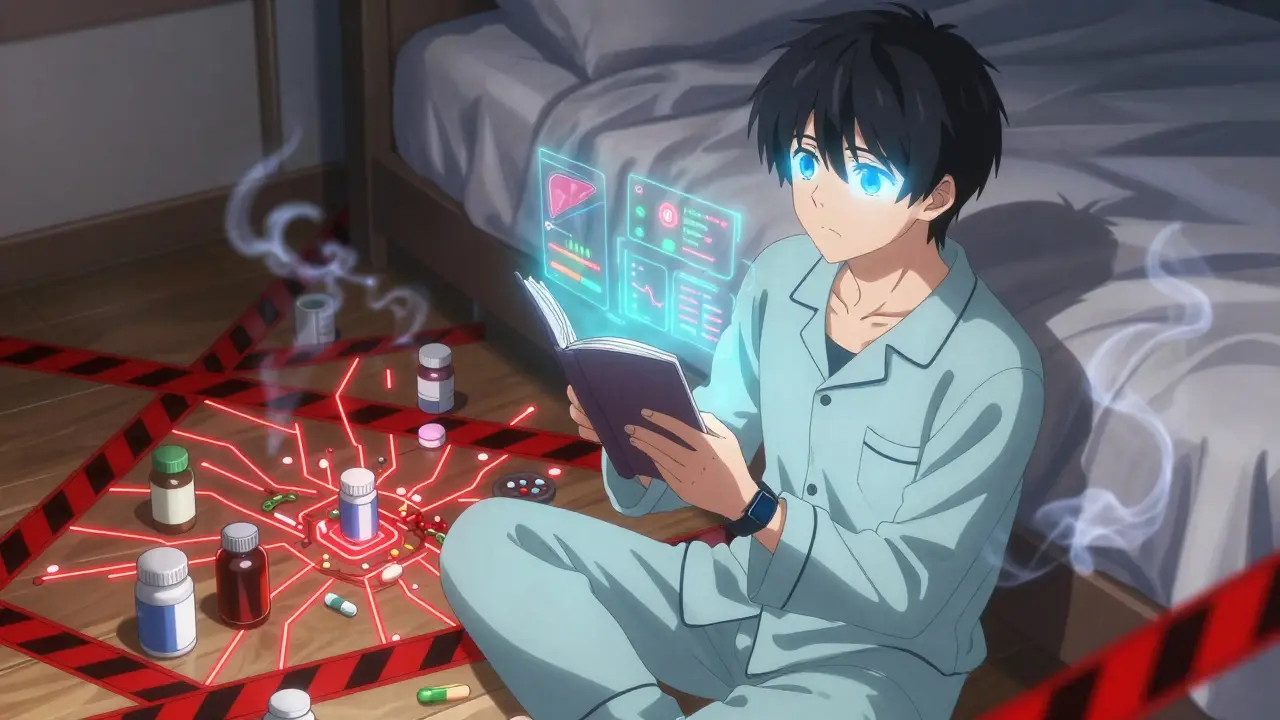
- Use the Brown Bag Method - Every few months, gather all your meds - prescriptions, over-the-counter pills, vitamins, supplements - and bring them to your doctor. You’d be surprised what interactions show up.
- Keep a symptom log - Note when you take each drug and what symptoms appear. Was the rash after your new antibiotic? Did the dizziness start when you added the sleep aid? This helps your doctor connect the dots.
Some hospitals and clinics now use AI tools that scan your medical records and flag potential dangers before you even take a pill. But you’re still the first line of defense. Your body tells you when something’s wrong. Listen to it.
What’s Changing in Medication Safety?
The system is catching up. In 2024, the FDA started requiring real-time monitoring of high-risk drugs using electronic health records. This means dangerous patterns - like a spike in liver damage from a new diabetes drug - get spotted months faster than before. New "smart packaging" is coming. By 2026, some high-risk medications will come in bottles that track when you take them and send alerts if you miss a dose or take too much. Wearables from Apple and others are already being tested to detect irregular heart rhythms caused by medications. But technology doesn’t replace vigilance. It just gives you more tools. The best protection is still you - paying attention, asking questions, and acting fast when something feels off.Can a medication side effect happen weeks after starting a drug?
Yes. While severe allergic reactions like anaphylaxis usually happen within minutes to hours, other dangerous side effects can appear days or even weeks later. Rashes, liver damage, kidney problems, and blood disorders often develop slowly. If you notice new symptoms - even if they seem minor - after starting a new medication, don’t ignore them. Report them to your doctor right away.
Are over-the-counter drugs safe from dangerous side effects?
No. Many people assume OTC meds are harmless, but that’s not true. NSAIDs like ibuprofen and naproxen can cause stomach bleeding, kidney damage, or heart problems, especially with long-term use. Acetaminophen (Tylenol) is the leading cause of acute liver failure in the U.S. when taken in excess. Even antihistamines can cause confusion in older adults. Always read the label and talk to your pharmacist about risks.
What should I do if I think I’m having a reaction but I’m not sure it’s serious?
When in doubt, err on the side of caution. If you’re unsure whether a symptom is serious, call your doctor or pharmacist. If you’re having trouble breathing, chest pain, swelling, or confusion - go to the ER. Don’t wait to see if it gets worse. Many lives are lost because people delay care, hoping symptoms will fade. They don’t always.
Can allergies to medications develop over time?
Yes. You can take a drug safely for years and suddenly develop an allergic reaction. This is especially common with antibiotics like penicillin or painkillers like aspirin. Your immune system can change. If you’ve never had a reaction before but now have hives, swelling, or trouble breathing after taking a medication you’ve used before, treat it as a new allergy. Stop the drug and get help.
Is it safe to take supplements with my prescription meds?
Not always. Many supplements interact dangerously with prescription drugs. St. John’s Wort can reduce the effectiveness of birth control, antidepressants, and blood thinners. Garlic and ginkgo can increase bleeding risk when taken with aspirin or warfarin. Even vitamin K can interfere with blood thinners. Always tell your doctor and pharmacist about every supplement you take - even if you think it’s "natural" and harmless.
How can I reduce my risk of dangerous side effects?
Start by knowing your meds. Ask your doctor: "What are the real risks?" Keep a list of everything you take. Use one pharmacy so they can check for interactions. Avoid mixing alcohol with sedatives or painkillers. Get genetic testing if you’re prescribed certain high-risk drugs like carbamazepine or abacavir. And never ignore new symptoms - no matter how small they seem.


