
Medication Reminder Tool Selector
Choose Your Needs
Select your key criteria to find the most suitable medication reminder solution.
Missing a pill can seem like a small mistake-until it’s not. One missed dose of blood pressure medication can spike your numbers. Skipping antibiotics can turn a simple infection into something dangerous. And for people managing diabetes, heart failure, or mental health conditions, consistency isn’t optional-it’s life-or-death. Yet, nearly half of all people don’t take their meds as prescribed. The problem isn’t laziness. It’s complexity. Life gets busy. Schedules change. Memory fades. That’s where medication reminder strategies come in-not as luxury tools, but as essential supports.
Why Medication Reminders Matter More Than You Think
Every year in the U.S., around 125,000 people die because they didn’t take their medications correctly. That’s more than traffic accidents. Hospital stays due to poor adherence cost the system over $300 billion annually. These aren’t abstract numbers. They’re your neighbor, your parent, your friend. The issue isn’t that people don’t care. It’s that remembering five different pills at three different times a day, with special instructions like “take on empty stomach” or “avoid dairy,” is exhausting. The brain isn’t built for that kind of repetition. Studies show that even smart people forget. A Duke University study found that using basic phone alarms only worked for 43% of users. Why? Because alarms get ignored. They’re loud, repetitive, and don’t explain why the pill matters. People turn them off. And if you’re over 65, have memory issues, or are managing multiple conditions, simple alarms aren’t enough. You need smarter systems.Medication Reminder Apps: The Digital Pillbox
Today’s medication apps are nothing like the clunky tools from a decade ago. They’re integrated, intelligent, and often connected to your health data. Medisafe, one of the most widely used apps, has over 5 million downloads. It doesn’t just buzz at 8 a.m. It checks your meds against a database of 10,000+ FDA-approved drugs and warns you if mixing ibuprofen with your blood thinner could cause bleeding. It even lets your family member get a text if you miss a dose. Then there’s MyTherapy. It tracks not just pills, but mood, sleep, and blood pressure-linking directly to Apple Health or Google Fit. If you’re managing depression or anxiety, seeing your mood improve alongside consistent dosing gives real motivation. Younger users love the streak counter: “I’ve taken my meds for 37 days straight.” It turns discipline into a game. But not all apps are created equal. EveryDose uses an AI assistant named Maxwell to answer questions like “Can I drink alcohol with this?” It’s accurate 98.7% of the time-but its interface is cluttered. Seniors struggle with it. Dosecast handles complex regimens like chemotherapy with 15-minute precision, but it costs $2.99 a month. Free apps often push premium upgrades hard. One user on Google Play wrote: “Medisafe flagged my prenatal vitamins as dangerous with Tylenol. Spent 20 minutes on the phone with my pharmacist. Turned out it was wrong.” False alerts like that erode trust fast.Physical Organizers: The Tangible Solution
Some people don’t want to stare at a screen. They want something they can hold. That’s where physical pill organizers shine. PillDrill’s Smart Medication System holds 28 doses and syncs with your phone via Bluetooth. When it’s time, the box lights up and plays a gentle chime. You open the compartment, and the app logs it. No tapping required. Hero’s Pill Dispenser is another standout. It automatically dispenses pills at the right time, locks the rest away, and texts a caregiver if you miss a dose. In a Medicare trial, users on Hero had a 92% adherence rate. But there’s a catch: it costs $99.99 upfront, plus a $30 monthly subscription. That’s steep for fixed-income seniors. The downside? These devices are finicky. Loading a regimen with 12 different pills, some split in half, others taken every other day? One in three users reported errors during setup. And refilling them is a hassle. You have to open each compartment, sort the pills, and reprogram the device. For someone with arthritis or shaky hands, it’s a barrier, not a help.
Alarms and Built-In Tools: Simple, But Often Ineffective
Your phone’s built-in alarm app? It’s free. It’s always there. And it’s the most common tool people try first. But here’s the truth: it fails more than it helps. Why? Because alarms are generic. They don’t tell you what to take. They don’t remind you why. And if you’ve got five alarms going off every morning, your brain starts tuning them out. Apple’s Medications app, introduced in iOS 17.2 in December 2023, changes that. It pulls prescriptions directly from your pharmacy, shows you what each pill is for, and warns you about interactions using CDC data. It’s free, built into your phone, and already has over 12 million users. Google’s partnership with Walgreens now auto-syncs your prescriptions to Dosecast. Setup used to take 15 minutes. Now it takes under 5. But even these tools aren’t magic. If you’re not tech-savvy, you won’t know where to find them. If you don’t trust the system, you won’t use it. And if your phone dies, you’re back to square one.What Actually Works: The Proven Formula
After reviewing dozens of studies and real user feedback, one pattern stands out: the best systems combine three things-reminders, support, and simplicity.- Use a tool that syncs with your pharmacy. No more guessing what’s in your pillbox.
- Set up a caregiver to receive alerts. If your mom misses a dose, your sister gets a text. That’s 88% adherence over 90 days, versus 62% without.
- Verify your meds weekly. Open your pill organizer. Count them. Match them to your list. It cuts errors by over half.
Choosing the Right Tool for You
If you’re under 40 and tech-savvy: MyTherapy. It’s clean, tracks symptoms, and connects to your fitness data. Perfect if you’re managing mental health or chronic pain. If you’re over 65 or helping a parent: Medisafe. Its caregiver sharing feature is unmatched. It’s got a 4.5-star rating from over 246,000 reviews. The interface is big, buttons are clear, and the voice alerts work well. If you’re on a budget: Use your phone’s Apple Medications or Google Health app. They’re free, built-in, and getting smarter every update. If you’re managing a complex regimen (like cancer or HIV meds): Look into Care4Today Connect or Dosecast. They handle multi-dose schedules with precision. If you hate screens: Try Hero or PillDrill. Just make sure someone helps you load it correctly the first time.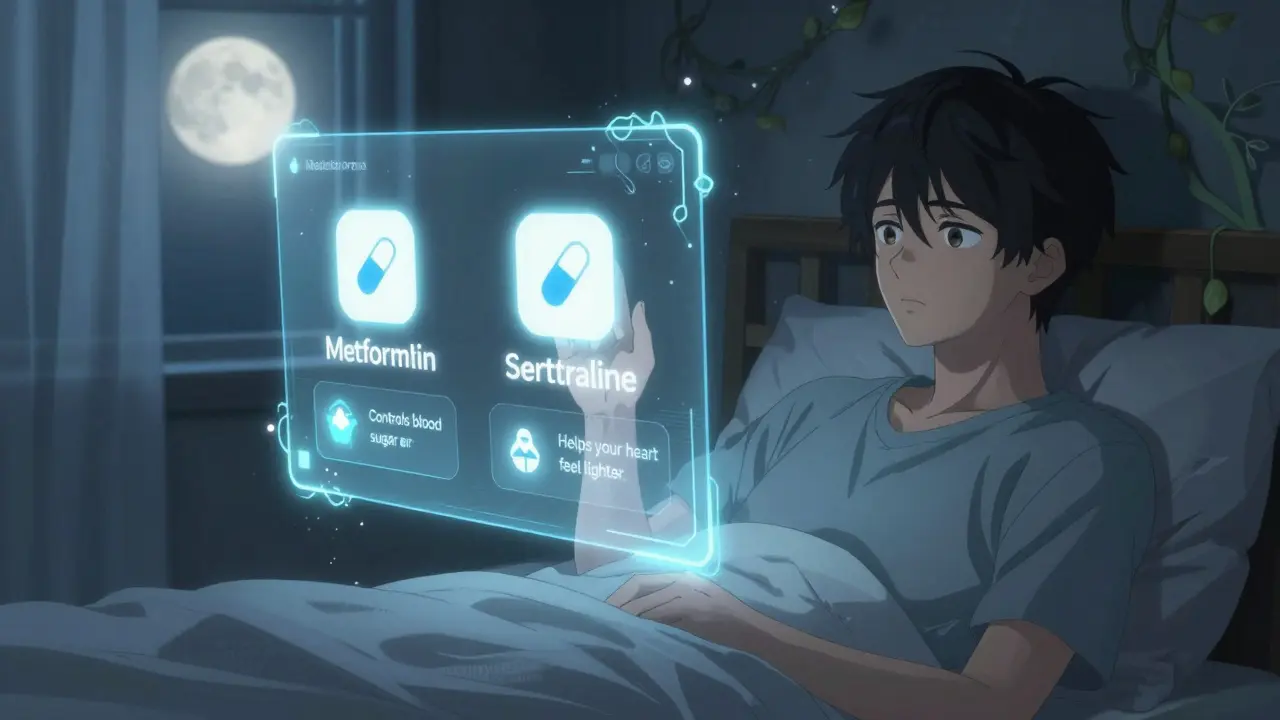
What to Avoid
Don’t rely on sticky notes. They fall off. Don’t use apps that don’t sync with your pharmacy. You’ll end up with duplicate pills or missing doses. Don’t ignore the “why.” If you don’t understand why your pill matters, you won’t stick with it. Ask your pharmacist. Write it down. Keep it next to your pillbox. And don’t give up after a week. Most people quit apps within 14 days. That’s normal. But if you stick with it for 30 days, your brain starts to rewire. Taking your meds becomes a habit, not a chore.What’s Coming Next
The future of medication adherence isn’t just about reminders-it’s about prediction. Medisafe’s new “AdherenceScore” uses 27 behavioral signals-like how often you open your app, whether you check the weather, or if you’ve been on your phone longer than usual-to guess when you’re likely to miss a dose. Then it sends a gentle nudge: “You usually take your pill after breakfast. Want me to remind you?” Amazon’s Alexa skill for PillPack already reduced dosing errors by 31% in trials. Imagine saying, “Alexa, did I take my blood pressure pill?” and hearing, “You took it at 8:15 a.m. Today’s dose is ready.” But here’s the catch: 63% of free apps sell your data. If you care about privacy, stick with tools from trusted health systems-like Apple, Google, or your hospital’s app. They’re less flashy, but they’re built for safety, not profit.Final Thought: It’s Not About Tech. It’s About Trust.
The best medication reminder isn’t the one with the most features. It’s the one you trust enough to use every day. If it’s too complicated, you’ll abandon it. If it doesn’t fit your life, it won’t stick. Start small. Pick one tool. Set up one reminder. Add one person who knows your schedule. That’s all you need to begin.Medication adherence isn’t about perfection. It’s about showing up-day after day. And with the right system, you can.
What’s the best medication reminder app for seniors?
Medisafe is the most recommended app for seniors. It has large buttons, clear voice alerts, and a caregiver-sharing feature that lets family members get notified if a dose is missed. With over 246,000 reviews and a 4.5-star rating, it’s trusted by millions. It also works with Apple Watch and Android Wear, so alerts can pop up on your wrist.
Are pill organizers worth it if I use an app?
Yes, if you’re worried about tech failures. Apps can crash, phones can die, and notifications can be silenced. A physical organizer acts as a backup. Many people use both: the app for alerts and tracking, and the organizer as a visual confirmation. It’s redundancy that saves lives.
Can my doctor prescribe a medication reminder device?
Not directly, but Medicare Part D now covers up to $15/month for FDA-authorized adherence tools like Hero or Care4Today Connect. Ask your pharmacist or care team-they can help you apply for coverage. Some clinics even loan out devices to patients with high-risk conditions like heart failure or HIV.
Why do I keep turning off my medication alarms?
You’re experiencing notification fatigue. If your alarms are too loud, too frequent, or don’t explain why the pill matters, your brain starts ignoring them. Try switching to a smarter app like MyTherapy or Apple Medications that gives context (“Take your metformin-this helps control your blood sugar”) instead of just a beep. Also, reduce the number of alarms. Consolidate doses when possible with your doctor.
Do medication reminder apps protect my privacy?
It depends. Free apps often sell anonymized data to advertisers. Paid apps from trusted companies like Apple, Google, or your hospital are safer. Look for HIPAA compliance or FDA authorization-those mean your data is legally protected. Avoid apps that ask for unnecessary permissions like your location or contacts. If it’s not needed for medication tracking, don’t give it.
How long does it take to set up a medication reminder system?
It takes about 15 to 20 minutes to set up an app if you have your prescription list handy. Physical organizers can take longer-up to 30 minutes-if you’re loading multiple pills with different schedules. The key is to do it with someone else: a family member, pharmacist, or caregiver. They can double-check doses and help you avoid mistakes. Don’t rush it. Getting it right the first time saves hours of frustration later.
What if I miss a dose? Will the app notify someone?
Only if you set it up to. Apps like Medisafe and Care4Today let you add emergency contacts who get alerts when you miss a dose. This feature is critical for older adults or those with cognitive issues. Don’t skip this step. Even if you think your kids are busy, they’ll thank you later. Set it up now-it takes two minutes.


