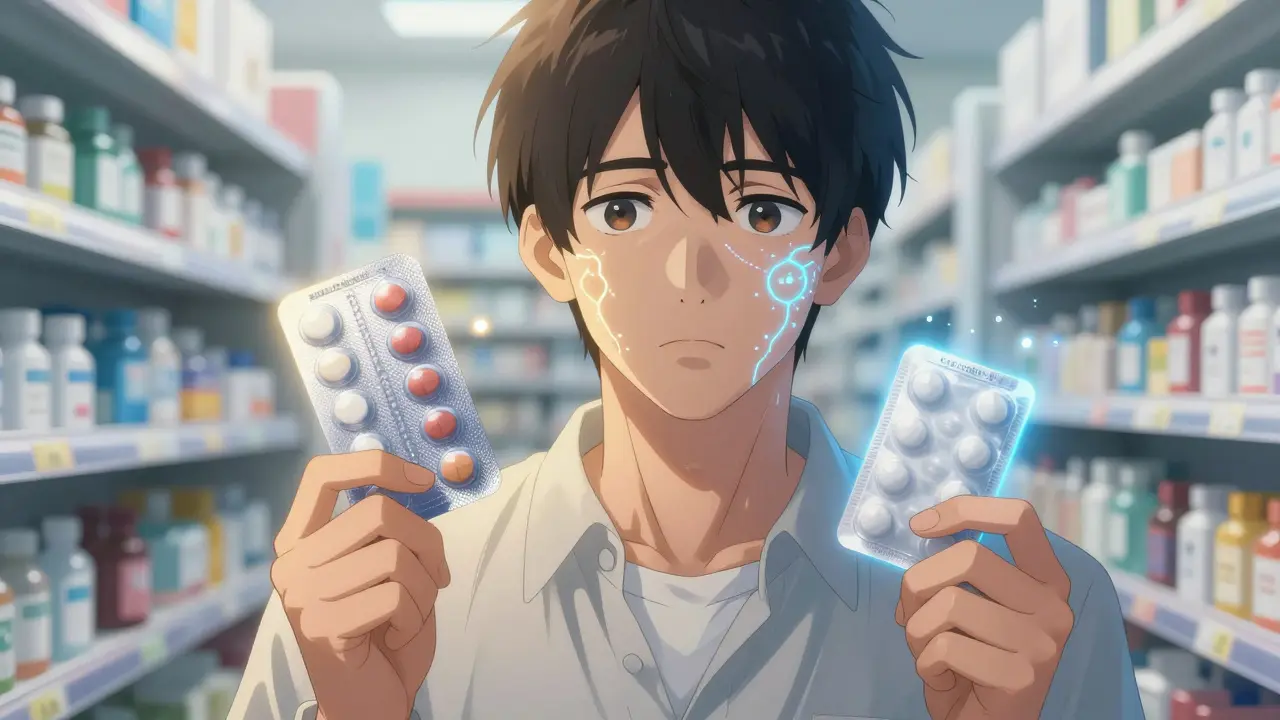
Placebo Effect with Generics: Why Perception Shapes Medication Outcomes
Generic drugs work the same as brand-name versions, but perception often makes people feel they don’t. Learn how expectations, branding, and price shape your body’s response-even when the pill is identical.

Opioids During Pregnancy: Risks, Withdrawal, and Monitoring
Opioids during pregnancy require careful medical management. MAT with methadone or buprenorphine reduces risks to mother and baby. Neonatal withdrawal is common but treatable. Breastfeeding is safe and encouraged.

Anticholinergics and Urinary Retention: How Prostate Problems Make This Medication Risky
Anticholinergics can worsen urinary retention in men with prostate enlargement. Learn why these common bladder medications pose serious risks for BPH patients and what safer alternatives exist.

Antihistamines for Hives: What Works, What Causes Drowsiness, and What to Try When They Don’t
Antihistamines are the first line of defense for hives, but not all work the same. Learn which ones are most effective, why drowsiness happens, what to do when they stop working, and what new treatments are on the horizon.

How to File a Direct Complaint with the FDA as a Patient
Learn how to file a direct complaint with the FDA about bad reactions to drugs, devices, or supplements. Step-by-step guide on using MedWatch, what to include, and why your report matters for public safety.

Biosimilar Switching: What Happens When You Change from Originator
Switching from an originator biologic to a biosimilar is safe for most patients with stable chronic conditions. Evidence shows no loss of effectiveness or increase in serious side effects - but psychological factors and poor communication can lead to unnecessary discontinuation.
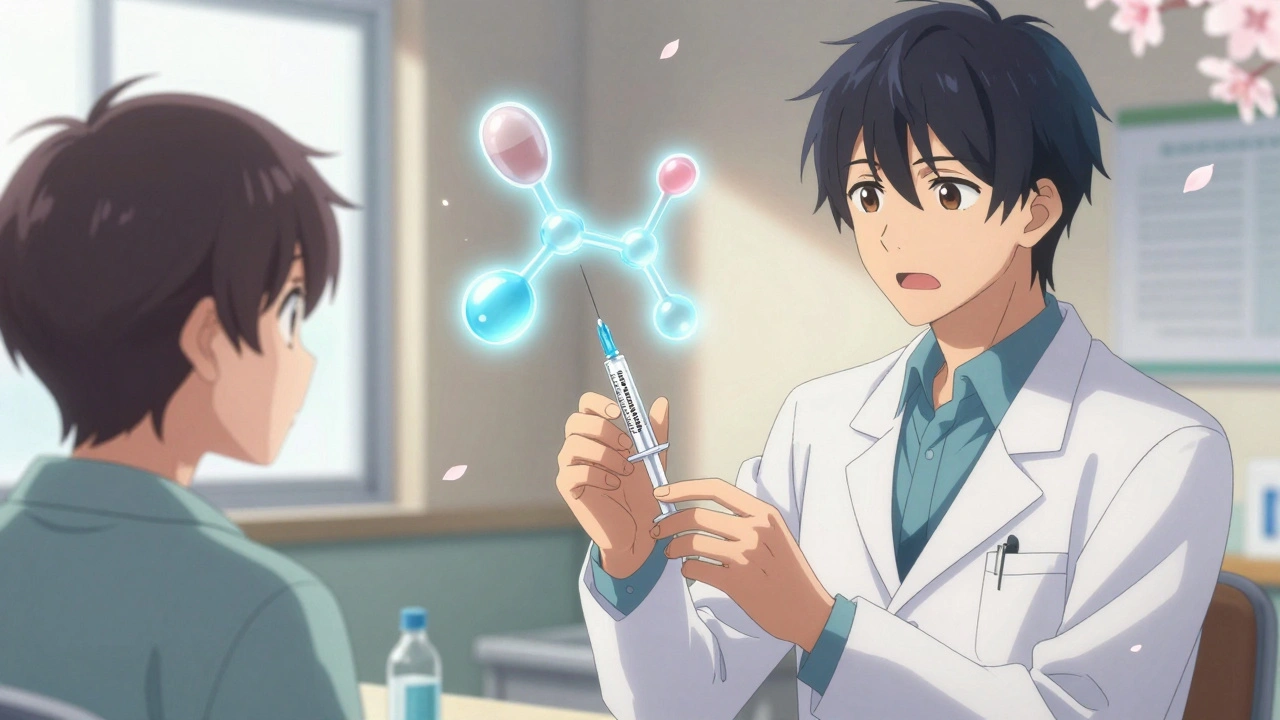
Antibiotic Combination Products: Generic Availability and What It Means for Patients
Generic antibiotic combination products offer the same effectiveness as brand-name versions at a fraction of the cost. Learn how they're approved, why access varies, and what this means for patient care and healthcare savings.

Medication Safety in Emergencies: What to Keep in Your Go-Bag
A medication go-bag ensures you have access to life-saving drugs during emergencies like fires, floods, or storms. Learn what to include, how to store it safely, and how to keep it up to date for maximum protection.

Disseminated Intravascular Coagulation from Drug Reactions: Critical Management Steps
Drug-induced disseminated intravascular coagulation is a life-threatening reaction to certain medications. Early recognition, stopping the drug, and targeted blood product support are critical to survival. Mortality remains high without prompt action.
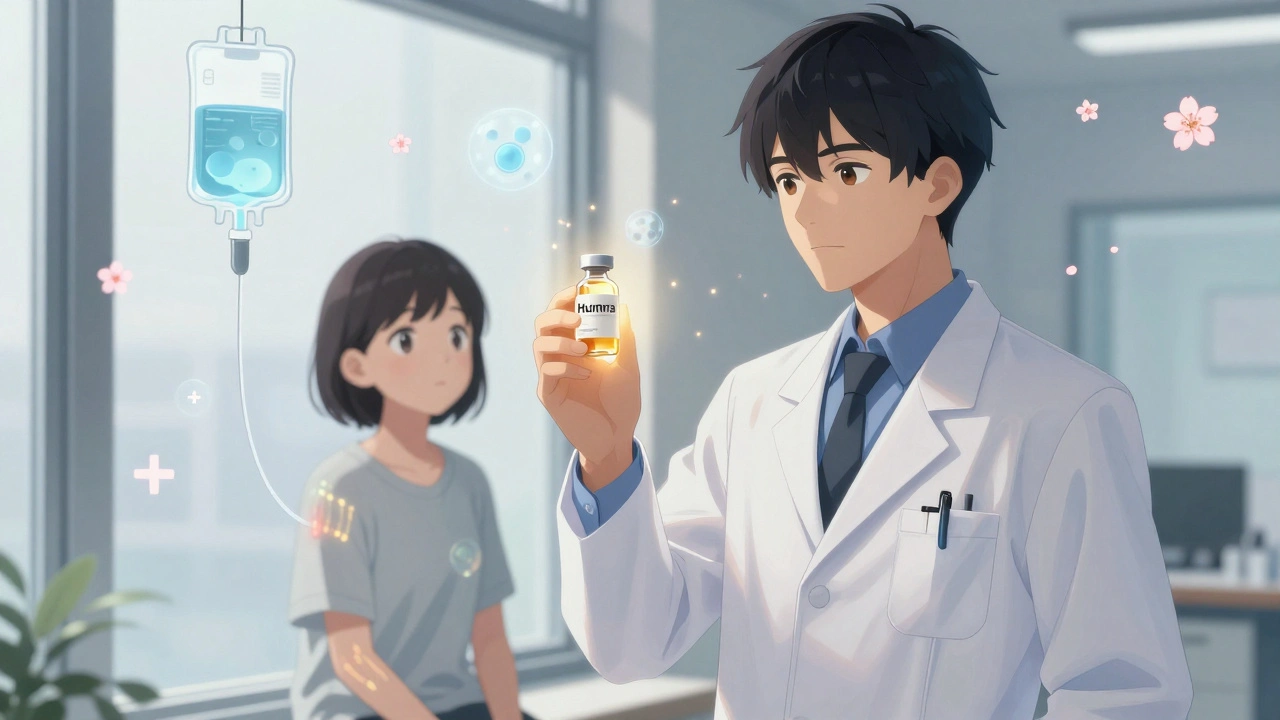
Specialty Prescribing: Why Specialists Stick to Brand-Name Drugs
Specialists often choose brand-name drugs over cheaper generics due to real-world outcomes, lack of alternatives, and systemic barriers-even when patients face sky-high costs. Here's why.

Cold-Induced Urticaria: What Happens When Cold Triggers Hives
Cold-induced urticaria causes itchy hives and swelling after exposure to cold. Learn how it works, how to diagnose it, and what treatments actually help - from antihistamines to emergency epinephrine.

FDA Facility Inspections: How the Agency Ensures Quality in Manufacturing
The FDA conducts thousands of facility inspections each year to ensure drugs, devices, and food are made safely. Learn how risk-based inspections, Form 483, CGMP compliance, and preparation strategies keep products reliable and patients protected.