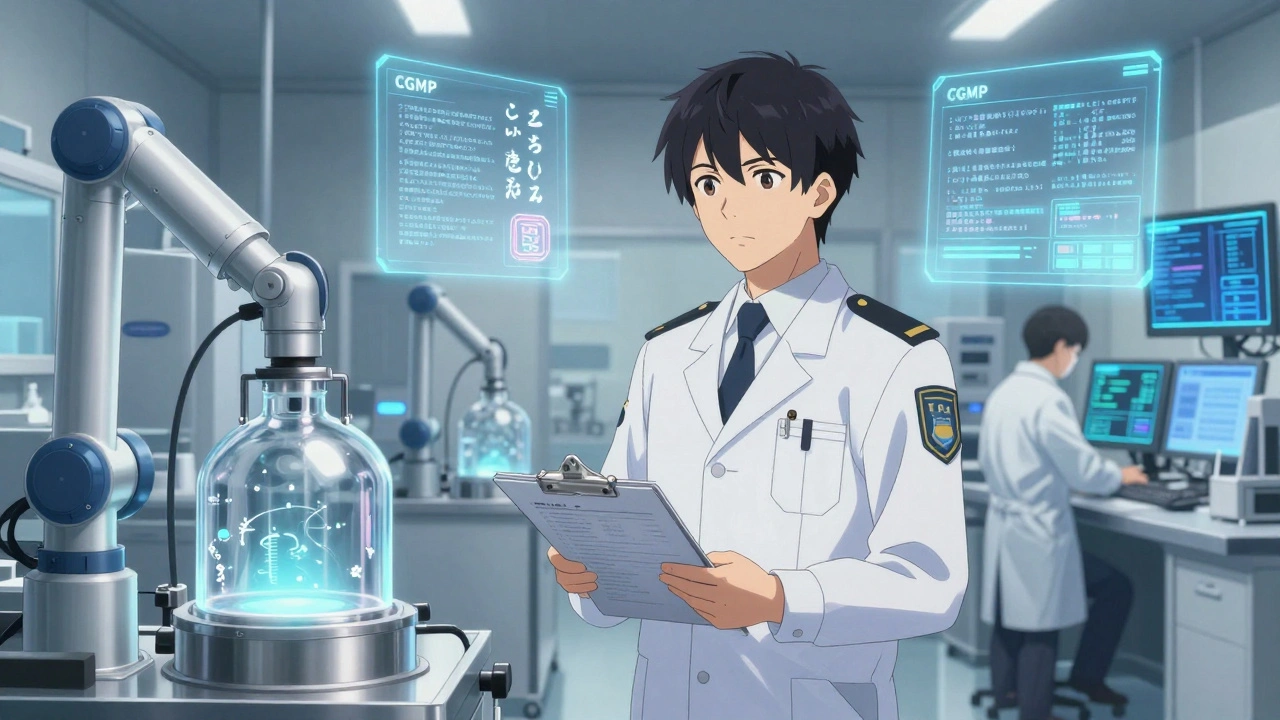
How the FDA Uses Facility Inspections to Keep Products Safe
If you’ve ever taken a prescription, used an insulin pump, or eaten packaged food, you’ve benefited from an FDA facility inspection-though you probably never saw it happen. Every year, the FDA sends inspectors into over 13,000 manufacturing sites across the U.S. and around the world. These aren’t random visits. They’re targeted, detailed, and sometimes life-saving checks that determine whether a drug, device, or food product is safe to sell. The goal isn’t to shut companies down-it’s to make sure they’re doing things right before something goes wrong.
The FDA doesn’t just rely on paperwork or lab tests. It shows up in person. That’s because you can’t tell if a cleanroom is properly controlled by looking at a report. You need to see the temperature logs, watch how technicians handle samples, and ask the person who runs the autoclave what they do when a machine fails. These inspections are the agency’s most powerful tool for catching problems early.
Why the FDA Inspects at All
The legal authority for these inspections comes from the Federal Food, Drug, and Cosmetic Act of 1938. But it wasn’t until the 1960s, after the thalidomide tragedy, that the FDA got real power to demand proof of quality. Today, every product regulated by the FDA-whether it’s a heart stent, a bottle of vitamin D, or a batch of baby formula-must be made under strict rules called Current Good Manufacturing Practices, or CGMP.
CGMP isn’t about perfection. It’s about control. Can the company consistently make the same product, with the same strength, purity, and safety, every single time? If they can’t prove it, the FDA won’t allow it on the market. And inspections are how they prove it.
Think of it like a car inspection. You don’t just check the brakes once and assume they’ll work forever. You look at the tires, the fluids, the alignment. The FDA does the same with manufacturing systems. One bad batch can mean hospitalizations. One faulty device can mean death. That’s why inspections aren’t optional-they’re essential.
The Four Types of FDA Inspections
Not all inspections are the same. The FDA uses four distinct types, each with its own purpose and timing.
- Pre-approval inspections happen before a new drug or device gets final approval. These are deep dives into the facility’s processes. The FDA wants to see that the manufacturing system can reliably produce what’s described in the application. If the facility fails this inspection, the product won’t get approved-even if the science is perfect.
- Routine surveillance inspections are scheduled every 2 to 5 years, depending on risk. A facility making high-risk implants might get visited every year. A company making low-risk dietary supplements might wait four years. The agency uses a risk-based model that looks at past violations, product type, and how complex the manufacturing process is.
- Compliance follow-up inspections are return visits. If a company got a Form 483 last time, the FDA comes back to see if they fixed the problems. No action? That’s a red flag.
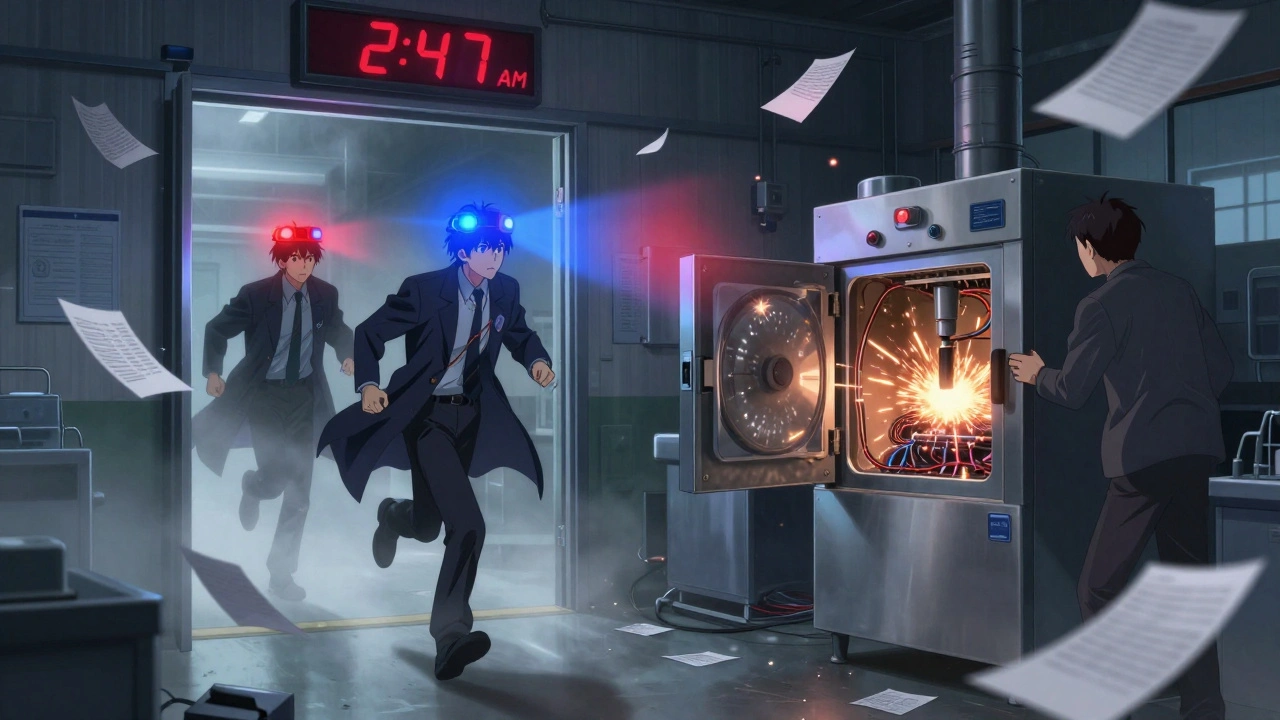
- For-cause inspections happen without warning. These are triggered by complaints, adverse event reports, whistleblower tips, or sudden spikes in product failures. They’re urgent. No notice. No preparation. Just inspectors showing up with Form 482 in hand.
The difference between a routine and a for-cause inspection is the difference between checking your oil and pulling over because your engine is smoking.
What Happens During an Inspection
When the inspectors arrive, they present FDA Form 482-the official notice of inspection. They’re legally required to do this. Then they ask for a facility representative to accompany them at all times. This isn’t a tour guide. It’s someone who knows the systems, the people, and the paperwork.
The inspection usually lasts between three and ten days. Here’s what they do:
- Walk through the facility-they’ll look at cleanliness, equipment condition, labeling, storage conditions, and waste handling.
- Review records-everything from batch production logs to training files to equipment maintenance schedules. They’ll check if deviations were properly investigated, if validation studies are complete, and if change controls were followed.
- Interview staff-not just managers. They’ll talk to lab techs, warehouse workers, and QA analysts. If three people give different answers to the same question, that’s a problem.
- Collect samples-sometimes they take swabs, product samples, or even environmental samples to test for contamination.
The most common red flags? Incomplete documentation. Missing training records. Poorly investigated deviations. Out-of-date facility layouts. And data integrity issues-like altered electronic records or unsecured computer systems.
In 2023, 45% of all inspection observations were about data integrity. That’s up from 28% in 2020. The FDA is now actively checking if electronic systems meet 21 CFR Part 11 requirements. If your system doesn’t track who made a change and when, you’re at risk.
What Is a Form 483-and Why It Matters
At the end of the inspection, inspectors hand over FDA Form 483. This isn’t a final verdict. It’s a list of objectionable conditions they observed. It might say: “Training records for personnel handling sterile products are incomplete.” Or: “No documented investigation of a batch failure in Q2 2023.”
Companies have 15 working days to respond. That response isn’t just an apology. It’s a detailed plan: what you’ll fix, how you’ll fix it, when it’ll be done, and how you’ll make sure it doesn’t happen again. If the response is vague, the FDA may issue a warning letter. If there’s no response? The agency can take legal action-seizing product, blocking imports, or even shutting down operations.
One company in Ohio lost its entire sterile injectable line after a Form 483 led to a warning letter. They didn’t fix the root cause-they just patched the paperwork. The FDA saw through it. They’re not looking for perfect records. They’re looking for evidence that you understand your risks and are actively managing them.

How to Get Ready (Without Panicking)
Inspections aren’t about cramming the night before. They’re about building a culture of quality every day. But if you’re facing one soon, here’s what works:
- Designate one inspection coordinator-not three. One person who knows where every document is, who to call, and what to say. Companies with a single point of contact finish inspections 22% faster.
- Update your facility diagram-every time you move a machine or change a room layout, update the diagram within a week. Inspectors notice mismatches immediately. It makes you look sloppy.
- Run mock inspections-quarterly. Bring in someone from another department to play inspector. Ask tough questions. See what breaks. Facilities with formal readiness programs reduce inspection observations by 63%.
- Create an inspection support room-with printers, computers, phones, and organized document folders. One company cut document retrieval time by 40% just by having a dedicated space.
- Train your staff-everyone who might talk to an inspector needs 8 hours of training per year. Principal investigators need 16. Only 63% of sites meet this. Don’t be one of them.
And don’t underestimate housekeeping. A dirty floor, unmarked containers, or tangled cables won’t get you a Form 483-but they’ll make inspectors question your attention to detail. Perception matters.
What’s Changing in 2025 and Beyond
The FDA isn’t standing still. By Q3 2025, they’ll start using AI to help review documents during inspections. Pilot programs are already testing systems that can scan thousands of pages for missing signatures, inconsistent dates, or unapproved changes. It’s not replacing inspectors-it’s helping them work faster.
Remote inspections are also expanding. In 2023, the FDA tested virtual tours and document reviews with 147 facilities. For 78% of documentation checks, the results were as reliable as in-person visits. That means fewer travel delays and quicker feedback. But don’t assume it’s easier. The bar hasn’t dropped-it’s just moved online.
Inspection frequency is shifting too. High-risk facilities-like those making products for elderly patients or complex biologics-will see more visits. Low-risk dietary supplement makers may see fewer. The FDA is getting smarter about where to focus its limited resources.
And the numbers tell the story: 1,842 warning letters were issued in 2023. Medical device makers got 42% of them. Pharmaceutical companies got 38%. The rest went to food and other products. That’s a 7% increase from 2022. The message is clear: the FDA is watching closer than ever.
Final Thought: It’s Not About Passing an Inspection
Passing an inspection isn’t the goal. Building a system that doesn’t need to be fixed is.
The companies that thrive under FDA scrutiny aren’t the ones with the best PowerPoint presentations. They’re the ones who treat quality like a daily habit-not a checklist. They train their people. They document their changes. They fix problems at the root, not the symptom.
If you’re preparing for an inspection, remember: inspectors aren’t your enemies. They’re trying to protect patients. Your job isn’t to impress them. It’s to show them you’re already doing the right thing-every day.


