
The 30-Month Stay: How Patent Litigation Blocks Generic Drug Approval
The 30-month stay delays generic drug approval when brand makers sue over patents. Learn how this Hatch-Waxman provision works, its economic impact, and proposed reforms.
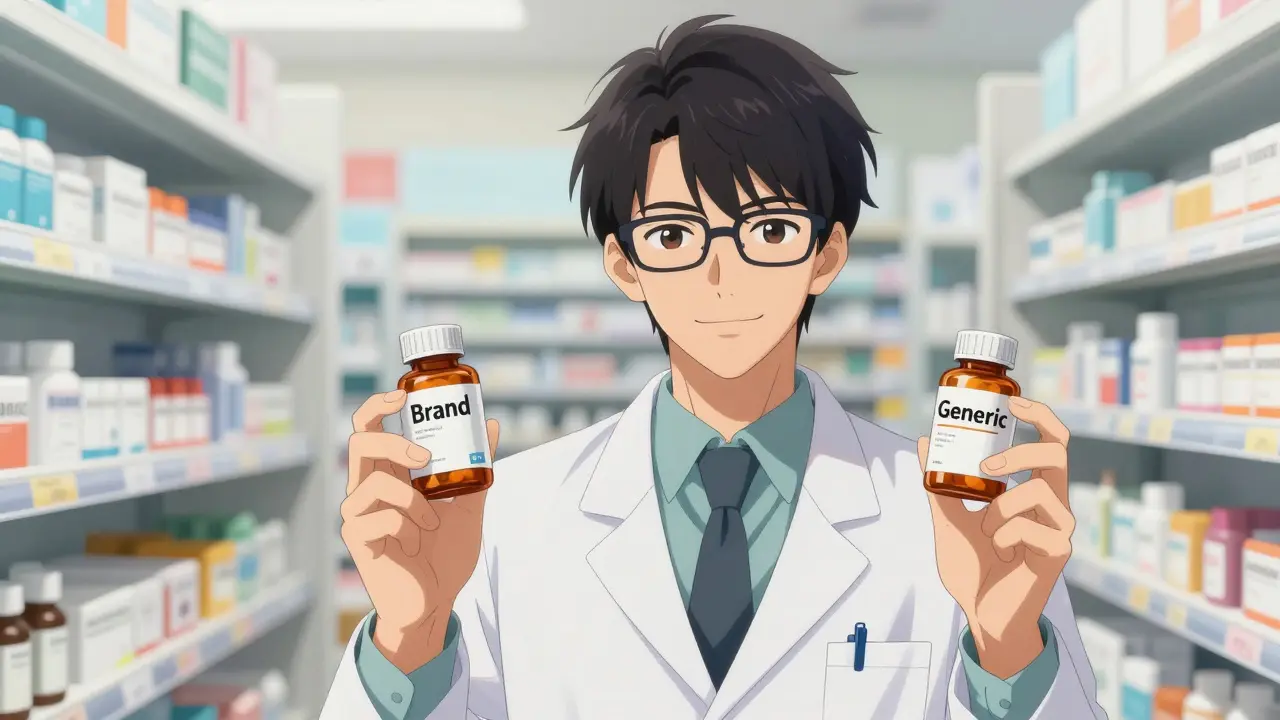
FDA Abbreviated New Drug Application (ANDA) Process Explained: How Generics Beat Brand Names
The FDA's Abbreviated New Drug Application (ANDA) process allows generic drugs to gain approval by proving equivalence to brand names, skipping costly clinical trials. This guide explains the Hatch-Waxman Act, bioequivalence requirements, and how ANDAs drive down healthcare costs.

FDA's 180-Day Exclusivity: How First Generic Applicants Gain Market Advantage
FDA's 180-day exclusivity rewards the first generic drug maker to challenge a patent, but delays and deals have turned it into a tool for market control. Here's how it works - and why reform is coming.