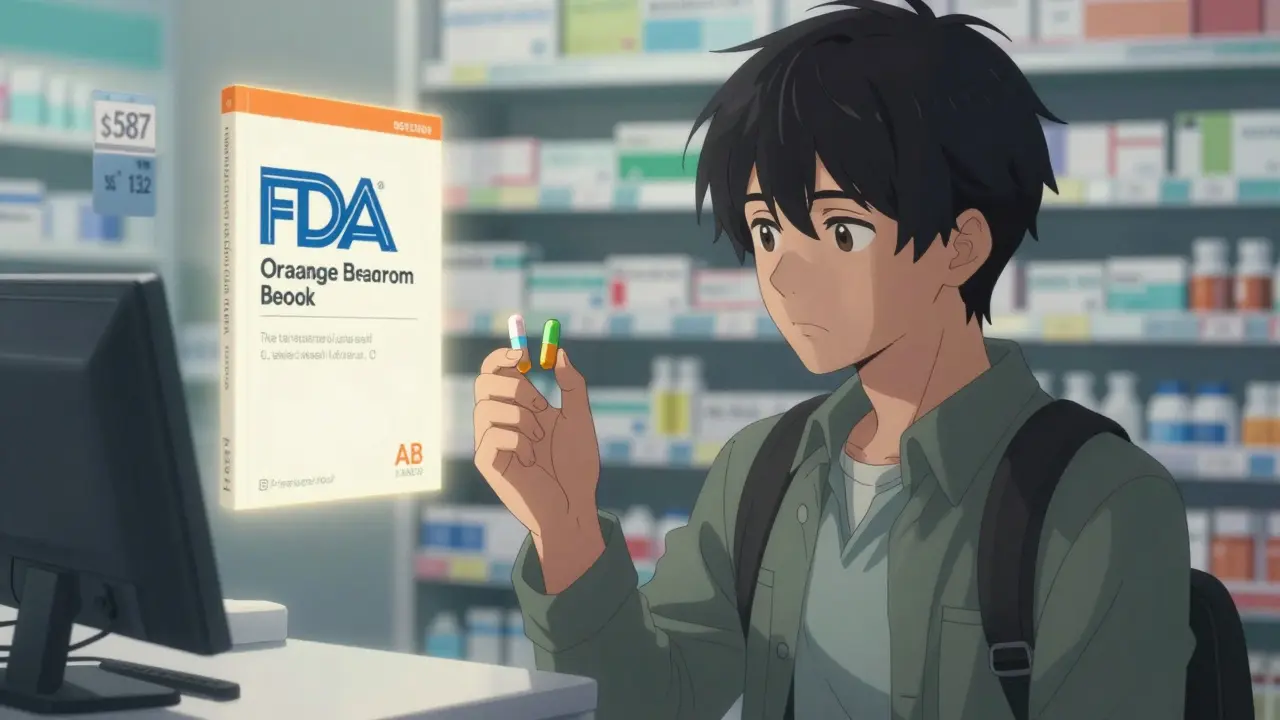
When you pick up a prescription, you might not realize you’re choosing between two very different kinds of medicine. One is made by just one company. The other? Dozens of companies make it - and they all sell it for a fraction of the price. Understanding the difference between single-source and multi-source drugs can save you hundreds of dollars a year - and help you avoid surprises when your pharmacy switches your pill without warning.
What Exactly Is a Single-Source Drug?
A single-source drug is a medication made by only one manufacturer. Usually, it’s still under patent protection, meaning no other company is legally allowed to copy it. These are often the brand-name drugs you see advertised on TV - like Humira, Enbrel, or Lantus. Even if a generic version eventually comes out, until that happens, it’s the only option on the market.Because there’s no competition, the manufacturer can set high prices. In 2023, the average monthly cost for a single-source drug was $587, according to a Kaiser Family Foundation survey. That’s more than four times what patients pay for multi-source drugs. And here’s the twist: even when these drugs get rebates from manufacturers to insurance companies, those savings rarely reach the patient at the pharmacy counter. Instead, higher list prices mean higher rebates - and higher out-of-pocket costs for people without good coverage.
Single-source drugs are common in specialty areas like cancer, autoimmune diseases, and rare conditions. These are complex medicines that take years to develop and cost millions to produce. That’s why companies get exclusive rights - to recoup their investment. But for patients, that means paying more, often for years.
What Are Multi-Source Drugs?
Multi-source drugs are the opposite. Once a brand-name drug’s patent expires, other companies can make copies - called generics. These generics have the same active ingredient, same dose, same way of being taken, and must prove they work the same way in your body. This is called bioequivalence. The FDA requires generics to be within 80% to 125% of the brand’s performance in the bloodstream. That’s not a loophole - it’s a strict standard.Today, about 90% of prescriptions filled in the U.S. are for multi-source drugs. But they make up only 23% of total drug spending. Why? Because generics cost way less. The average monthly price for a multi-source drug is $132. That’s a huge difference.
Multiple manufacturers compete to sell the same drug. One makes the 10mg tablet, another makes the 20mg, and a third makes the extended-release version. All are approved by the FDA. And because of that competition, prices keep dropping. The government and insurers use something called Maximum Allowable Cost (MAC) to cap how much they’ll pay for each generic - usually 50% to 60% below the brand’s original price.
Why Do Generic Switches Happen - And Should You Worry?
If you’ve ever picked up a prescription and noticed your pills look different - maybe a different color, shape, or imprint - you’ve experienced a generic switch. It’s normal. Pharmacies often switch between generic manufacturers based on what’s cheapest at the time. Your insurance or pharmacy benefit manager (PBM) picks the lowest bidder, and your pill changes.According to a 2022 report from 3 Axis Advisors, 63% of patients on multi-source drugs have experienced an unexpected switch. Most people don’t notice. But some do. On Drugs.com, 68% of negative reviews for generics mention inconsistent effectiveness - like feeling less relief or new side effects after a switch.
The FDA says all approved generics are therapeutically equivalent. But the truth? Not every generic is made the same way. The inactive ingredients - like fillers, dyes, or coatings - can vary. For most people, that doesn’t matter. But for those on narrow therapeutic index drugs - like warfarin, levothyroxine, or seizure meds - even small differences can cause problems. If you’re on one of these, ask your doctor or pharmacist to stick with the same generic brand.
Therapeutic Equivalence Codes: What the Orange Book Tells You
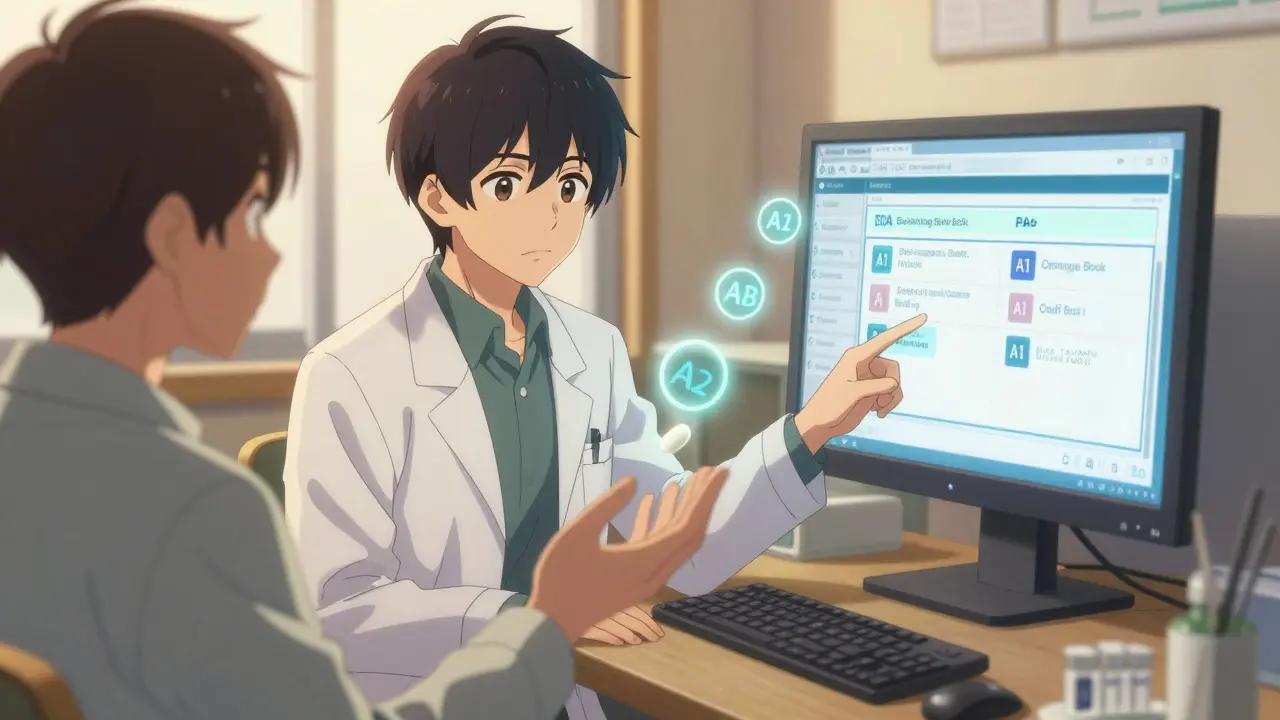
The FDA publishes a list called the Orange Book. It’s not something most patients read - but it should be. Every multi-source drug gets a two-letter code that tells you if it’s considered interchangeable with the brand or other generics.Look for the letter A. If a drug has an “AB” code, it means the FDA has found it to be therapeutically equivalent. That’s the gold standard. Some drugs get an “A” with a number - like “A1” or “A2” - which means they’re equivalent, but only within their specific formulation group. For example, a 10mg tablet might be equivalent to the brand, but a 20mg extended-release version might be in a different group.
Single-source drugs don’t get any of these codes. Why? Because there’s nothing to compare them to. They’re the only game in town.
How Insurance and PBMs Control What You Pay
Your insurance doesn’t just decide what drugs to cover - it decides which version you get. Many plans have tiered formularies. Single-source drugs are often on Tier 3 or 4 - meaning you pay the most. Multi-source drugs? Usually Tier 1 - the cheapest.Pharmacies are required to offer the generic unless you or your doctor specifically asks for the brand. Even then, you might have to pay the difference. Some plans use step therapy: you have to try the generic first, and only if it doesn’t work can you get the brand.
And here’s something most people don’t know: some PBMs create “single-source generics.” That’s when one generic manufacturer gets exclusive rights to supply the drug for a certain plan. It’s still a generic - but you can’t choose another. And guess what? Sometimes, it’s priced almost the same as the brand. Truveris found in 2022 that these “exclusive generics” aren’t always cheaper. That’s because PBMs make money from rebates - not from low prices.
Real Patient Stories: Savings, Confusion, and Frustration
On Reddit’s r/healthcare, one patient shared that switching from a single-source insulin to a generic saved them $287 a month. That’s over $3,400 a year. Another said they switched to a generic blood pressure pill - and felt dizzy for two weeks. Their doctor told them it was “just your body adjusting.” They switched back - and felt fine.That’s not rare. A 2023 Medicare.gov forum thread found that 27% of patients are confused about whether generics are truly the same. And 41% of people on single-source drugs report skipping doses because they can’t afford them - compared to 22% on generics.
It’s not that generics are bad. It’s that the system is confusing. You’re not supposed to notice the difference. But sometimes, you do. And when you do, you’re left wondering: is it the drug? Or just the filler?
What You Can Do Right Now
You don’t need a pharmacy degree to protect yourself. Here’s what works:- Ask your pharmacist if your medication is a brand or generic - and which manufacturer made it.
- Check your prescription label. Generic manufacturers print their name on the pill. If it changes, ask why.
- Request a brand if you’ve had problems with generics - especially if you’re on thyroid, seizure, or blood thinner meds.
- Use the FDA’s Orange Book (online or ask your pharmacist) to look up your drug’s therapeutic equivalence code. If it’s “AB,” you’re good.
- Ask about MAC pricing. If your copay is suddenly higher, it might be because your insurer switched to a more expensive generic.
- Don’t assume “generic” means cheap. Some “exclusive generics” cost almost as much as the brand. Always compare prices.
Remember: the FDA says generics work the same. But your body might react differently to different fillers. That’s not a flaw in the system - it’s a quirk of human biology. If you feel different after a switch, speak up.
What’s Changing in 2025?
The FDA is speeding up generic approvals. Thanks to the 2023 Generic Drug User Fee Amendments (GDUFA III), the average approval time for a generic is now under 10 months. That means more single-source drugs will become multi-source faster.Companies are also using “authorized generics” - where the brand-name maker releases its own generic version. Humira did this in 2023 after 14 years as a single-source drug. It’s a way to keep profits while pretending to allow competition.
Meanwhile, the Inflation Reduction Act now penalizes drugmakers for raising prices on single-source drugs faster than inflation. That’s good news - but only if the savings actually reach patients.
The bottom line? More generics are coming. More choices. Lower prices. But more confusion too. The system is designed to save money - but it doesn’t always make it easy for you to get there.
Are generic drugs really the same as brand-name drugs?
Yes - if they’re FDA-approved. Generics must contain the same active ingredient, strength, dosage form, and route of administration. They must also prove they’re absorbed into the body at the same rate and amount as the brand. The FDA requires bioequivalence within 80-125% of the brand’s performance. That’s a strict standard. But inactive ingredients (like fillers or dyes) can differ, which is why some people notice side effects after switching.
Why does my generic pill look different every time I fill it?
Because pharmacies switch between generic manufacturers based on cost. Your insurance or pharmacy benefit manager (PBM) picks the cheapest option available. The FDA allows this - and says it doesn’t affect effectiveness. But if you’re on a narrow therapeutic index drug (like warfarin or levothyroxine), you should ask your pharmacist to stick with the same manufacturer. Some people report feeling different after a switch, even if science says they shouldn’t.
Can I ask my doctor to prescribe the brand-name drug instead of a generic?
Yes. Your doctor can write “Dispense as Written” or “Do Not Substitute” on the prescription. But your insurance may not cover it - or may charge you the difference in price. For most people, generics are safe and cheaper. But if you’ve had bad reactions to a generic, or you’re on a drug with a narrow therapeutic index, asking for the brand is reasonable - and your doctor should support you.
Why are some generic drugs more expensive than others?
Because of how PBMs and insurers set prices. Some generics are sold under “exclusive” deals - where only one company can supply the drug for a certain plan. That removes competition and can drive up the price. These are called “single-source generics,” and they’re not always cheaper than the brand. Always compare prices at your pharmacy - don’t assume “generic” means low cost.
Do single-source drugs have better quality than generics?
No. Both are held to the same FDA manufacturing standards. The same factories sometimes make both the brand and the generic - just under different labels. The difference isn’t quality. It’s cost, competition, and corporate strategy. A generic isn’t “second-rate.” It’s just cheaper.


