Herbal Tea Interaction Checker
Step 1: Select Your Herbal Tea
Choose the type of herbal tea you consume regularly.
Green Tea
Common daily beverageChamomile
Relaxation & sleepGinkgo Biloba
Cognitive supportLicorice Root
Digestive aidHibiscus
Blood pressure supportSt. John's Wort
Mood supportStep 2: Select Your Medication
Choose the prescription medication you are taking.
Statins
Cholesterol management (e.g., simvastatin)Warfarin
Blood thinnerAntihypertensives
Blood pressure meds (e.g., lisinopril)Beta-Blockers
Heart rate control (e.g., nadolol)Oral Contraceptives
Birth control pillsDigoxin
Heart failure medicationDiuretics
Water pillsAntidepressants
SSRIs, etc.Cyclosporine
ImmunosuppressantInteraction Analysis
Select a tea and medication to see results.
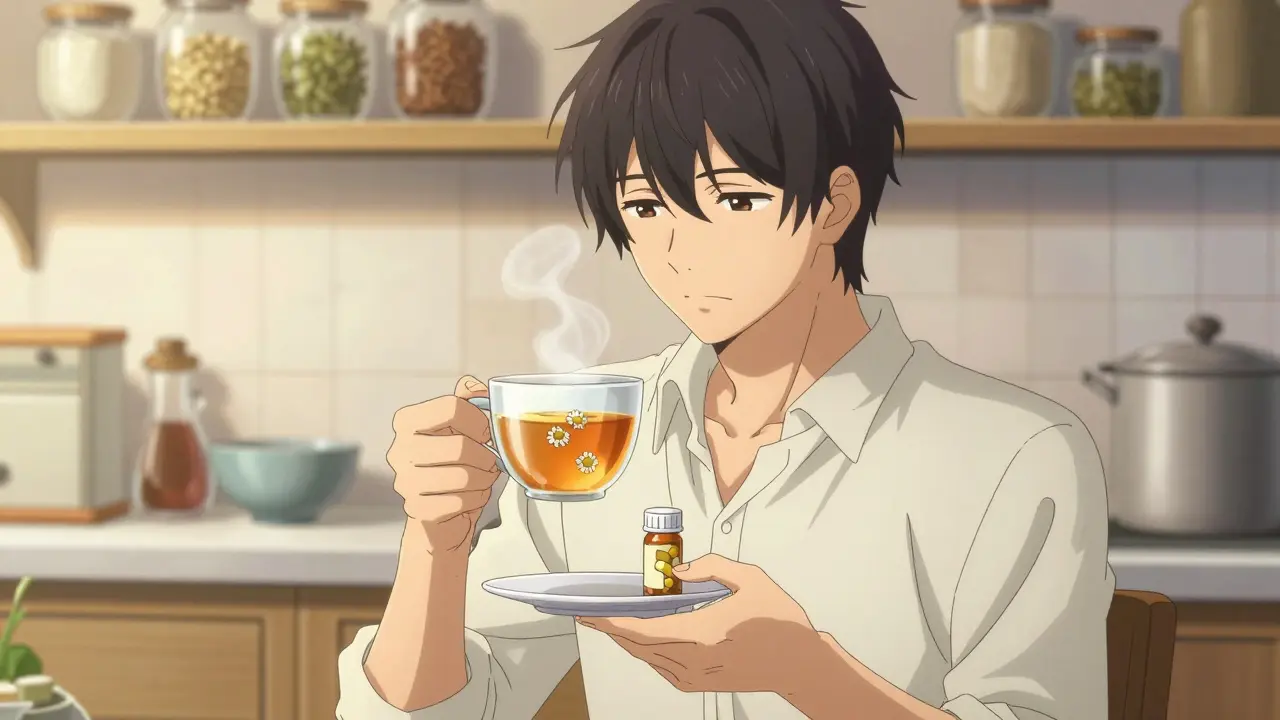
You pour a cup of soothing chamomile tea after dinner, grab your evening pills, and drink it down. It feels natural. It feels safe. But that simple ritual might be quietly sabotaging your treatment plan. We often assume that because something is "natural," it cannot harm us. Yet, the reality is starkly different. Herbal teas are not just hot water with leaves; they are concentrated sources of bioactive compounds that can alter how your body processes life-saving medications.
The National Center for Complementary and Integrative Health (NCCIH) reports that roughly 23% of U.S. adults use herbal products regularly. The problem? Most people don't tell their doctors about their daily brews. A 2022 review by the Mayo Clinic found that while nearly 70% of older adults take herbal supplements, only about one-quarter disclose this to their healthcare providers. This silence creates a dangerous blind spot in medical care, leading to undetected drug interactions that can range from mild inefficacy to severe internal bleeding or stroke.
How Herbal Teas Change Drug Metabolism
To understand why your morning hibiscus tea might be risky, you need to look at pharmacokinetics-the science of how your body absorbs, distributes, metabolizes, and excretes drugs. Herbal teas interact with medications through two main pathways: pharmacokinetic mechanisms and pharmacodynamic mechanisms.
Pharmacokinetic interactions occur when an herb changes the way your liver processes a drug. Your liver uses enzymes, particularly those in the cytochrome P450 family, to break down medicines. Some herbs inhibit these enzymes, causing drug levels to build up to toxic concentrations in your blood. Others induce the enzymes, breaking down the medication so fast that it becomes ineffective before it can work. For example, St. John's wort, often consumed as a tea or supplement for mood support, speeds up the metabolic process that turns active drugs into inactive substances. This leads to drastically decreased drug levels in your body, potentially rendering treatments for HIV, depression, or organ transplant rejection useless.
Pharmacodynamic interactions happen when the herb itself has a similar or opposing effect to the medication. If you take a blood pressure medication and drink a tea that also lowers blood pressure, the combined effect can cause your systolic pressure to drop dangerously low-below 90 mmHg in some documented cases. This isn't just theory; systemic reviews have shown that hibiscus tea may potentiate antihypertensive medications through ACE inhibition mechanisms, creating a risk of fainting or shock.
High-Risk Herbs and Their Dangerous Partners
Not all herbal teas carry the same level of risk. However, several common varieties have been flagged by health authorities like the FDA and the American Academy of Family Physicians (AAFP) for significant interaction potential. Here is what you need to watch out for.
| Herbal Tea | Key Compound/Mechanism | Affected Medications | Potential Consequence |
|---|---|---|---|
| Green Tea | Inhibits OATP1A1/A2 transporters; inhibits P-glycoprotein | Statins (atorvastatin, simvastatin), beta-blockers (nadolol), antiretrovirals | Reduced drug efficacy (up to 85% reduction in nadolol); increased statin toxicity |
| Chamomile | Apigenin content; affects CYP metabolism | Oral contraceptives, warfarin (blood thinners) | Decreased contraceptive effectiveness; increased bleeding risk |
| Ginkgo Biloba | Antiplatelet properties | Warfarin, aspirin, NSAIDs | Significantly increased risk of internal bleeding and stroke |
| Licorice Root | Glycyrrhizin causes potassium loss | Digoxin, diuretics, corticosteroids | Hypokalemia (low potassium), which can trigger fatal heart rhythms |
| Hibiscus | ACE inhibition; diuretic effect | Lisinopril, other antihypertensives | Excessive blood pressure drop (hypotension) |
Let’s look closer at green tea. While drinking a standard cup is generally safe for most people, concentrated extracts or strong daily consumption pose real risks. Clinical trials published in Clinical Pharmacology & Therapeutics (2023) demonstrated that daily consumption of three cups of strong green tea decreased the bioavailability of the beta-blocker nadolol by over 85%. That means if you rely on that medication to control your heart rate, the tea essentially neutralizes it. Similarly, green tea extract has been shown to increase simvastatin concentrations by more than double due to P-glycoprotein inhibition, raising the risk of muscle damage known as rhabdomyolysis.
Then there is goldenseal, sometimes brewed as a tea for immune support. The FDA confirmed through clinical trials that goldenseal inhibits CYP2D6 and CYP3A4 enzymes. These specific enzymes are responsible for metabolizing more than 50% of all pharmaceutical agents. By blocking them, goldenseal can cause a wide array of drugs to accumulate to unsafe levels in your bloodstream.

The "Natural Does Not Mean Safe" Myth
We live in a culture that equates "natural" with "benign." The Dietary Supplement Health and Education Act of 1994 regulates herbal supplements, including teas, as foods rather than drugs. This legal distinction means they do not undergo the rigorous pre-market safety testing required for prescription medications. The Council for Responsible Nutrition reported that 83% of U.S. adults believe dietary supplements contribute to their health, yet this belief often overrides caution.
The FDA has issued specific warnings noting that taking herbal products together with medications may increase the potential for internal bleeding or stroke. Dr. Edzard Ernst, Professor Emeritus of Complementary Medicine at the University of Exeter, noted in the Journal of Clinical Pharmacy and Therapeutics that while evidence for clinically relevant interactions is limited to a few herbs, the consequences can be severe. He emphasized that the lack of widespread disaster does not mean the risk is absent; it often means we haven't measured it correctly.
Contradictory evidence further complicates matters. For instance, cranberry tea's interaction with warfarin remains debated. Some studies show increased INR values (indicating higher bleeding risk), while others find no significant effect. This inconsistency highlights a major gap in research: according to a 2017 AAFP systematic review, only 17% of documented herb-drug interactions have been validated in human studies. Most data comes from test tubes (in vitro) or animal models, which do not always predict human responses accurately.
Who Is Most at Risk?
If you take occasional ibuprofen for a headache, your chamomile tea likely won't cause issues. However, certain groups face significantly higher risks. The primary concern lies with patients taking medications with a "narrow therapeutic index." These are drugs where the difference between a helpful dose and a toxic dose is very small.
- Anticoagulants: Drugs like warfarin require precise monitoring. Adding ginkgo biloba, garlic, or ginger teas can amplify bleeding risks without warning signs.
- Cardiac Medications: Digoxin and cyclosporine are critical for heart and transplant patients. Herbal stimulants like green tea or guarana can disrupt their absorption or clearance.
- Polypharmacy Patients: Older adults who take five or more medications daily are the most vulnerable. The cumulative effect of multiple mild interactions can lead to serious adverse events.
- Immunosuppressed Individuals: Organ transplant recipients taking cyclosporine must avoid St. John's wort entirely, as it can cause rapid organ rejection by lowering drug levels.
Dr. Craig Hopp from the NCCIH warns that St. John's wort interacts with many types of drugs, speeding up processes that change the drug into inactive substances. For someone on antidepressants, this can lead to sudden withdrawal symptoms or a return of depressive episodes. For someone on birth control, it can lead to unintended pregnancy.

Practical Steps to Stay Safe
You don't need to give up herbal teas entirely, but you must approach them with informed caution. The goal is not fear; it is awareness. Here is how to manage your tea habits safely alongside your medication regimen.
- Disclose Everything: Bring a written list of every supplement, tea, and vitamin you take to your doctor. Specify the brand, the frequency (e.g., "one cup daily"), and the strength. Doctors often ask about "supplements" but forget to ask about "teas." You must bridge that gap.
- Separate Timing: If your doctor approves a specific herbal tea, try consuming it at least two hours apart from your medication. This can sometimes reduce direct competition for absorption sites in the gut, though it does not solve metabolic enzyme interactions.
- Avoid Concentrated Extracts: Brewed tea generally poses lower risks than concentrated capsules or powders. The dilution factor in brewing makes extreme reactions less likely, though still possible with sensitive drugs like warfarin.
- Monitor Vital Signs: If you start a new herbal tea routine while on blood pressure or blood-thinning medication, monitor your readings closely. Look for unusual bruising, dizziness, or changes in heart rate.
- Stick to Known Quantities: Avoid "functional tea blends" that contain proprietary mixes of ten or more herbs. The unknown ingredients create an unpredictable interaction profile. Stick to single-ingredient teas where the active compound is identified.
The European Medicines Agency updated its herbal monographs in January 2023 to include specific interaction warnings for 17 commonly used herbal teas. This regulatory shift signals that global health authorities are taking these interactions seriously. As the market for functional teas grows-projected to reach $11.17 billion by 2027-the need for consumer vigilance will only increase.
Conclusion: Informed Consumption
Herbal teas offer comfort, tradition, and potential health benefits. But they are not inert beverages. They are biologically active substances that engage with the same metabolic pathways as your prescription drugs. The key to safety lies in transparency with your healthcare provider and a willingness to question the assumption that "natural" equals "safe." By reviewing your interactions and staying informed, you can enjoy your cup of tea without compromising your medical treatment.
Can I drink green tea if I take statins?
You should exercise caution. Green tea contains compounds that can inhibit drug transporters and P-glycoprotein, potentially increasing the concentration of statins like simvastatin in your blood. This raises the risk of side effects such as muscle pain or liver damage. Consult your doctor before making green tea a daily habit, and consider limiting intake to one weak cup per day if approved.
Does chamomile tea really affect birth control?
Preliminary studies suggest that apigenin, a flavonoid in chamomile, may interfere with cytochrome P450 metabolism, which processes oral contraceptives. While robust human trials are lacking, the potential risk of reduced contraceptive effectiveness exists. If you rely on birth control pills, discuss this with your pharmacist or doctor to determine if alternative contraception is needed during regular chamomile use.
Is it safe to drink herbal tea with blood thinners like warfarin?
Many herbal teas are unsafe with warfarin. Ginkgo biloba, garlic, ginger, and even cranberry tea have been linked to increased bleeding risks or altered INR levels. Because warfarin has a narrow therapeutic index, even small changes in metabolism can lead to dangerous clotting or bleeding. Always check with your anticoagulation clinic before introducing any new herbal tea.
Why don't doctors always ask about herbal teas?
Doctors typically ask about "supplements" or "medications," and patients often do not classify brewed teas as supplements. Additionally, time constraints in clinical visits limit detailed dietary questioning. It is crucial for patients to proactively mention their tea habits, specifying the type and frequency, to ensure accurate medication reconciliation.
What are the signs of an herbal tea and medication interaction?
Symptoms vary by drug but can include unexpected bruising or bleeding (with blood thinners), dizziness or fainting (with blood pressure meds), muscle pain or weakness (with statins), or a return of original symptoms (if the herb reduces drug efficacy). If you notice new or worsening side effects after starting a herbal tea, stop the tea and contact your healthcare provider immediately.