
Serotonin Syndrome Symptom Checker & Risk Guide
Select all symptoms you are experiencing:
Assessment Result
Imagine starting a new medication to help with anxiety, only to find yourself shivering uncontrollably, confused, and running a fever that won't break. This isn't a typical side effect; it's a medical emergency. Serotonin Syndrome is a potentially life-threatening reaction that occurs when too much serotonin accumulates in your body. It usually happens because of a dangerous interaction between two or more drugs that increase serotonin levels in the brain and nervous system.
The danger here is the speed of progression. What starts as a "jittery" feeling can spiral into multi-organ failure or a dangerously high body temperature-sometimes exceeding 41.1°C (106°F)-within hours. Because it's often misdiagnosed as a bad flu or a panic attack, knowing the specific red flags can literally be the difference between a quick recovery and a critical ICU stay.
Key Takeaways for Your Safety
- The Trigger: Usually occurs within 24 hours of starting a new med or increasing a dose.
- The Red Flags: Look for the triad of muscle stiffness, mental confusion, and autonomic instability (like racing heart or sweating).
- The Danger Zone: Mixing MAOIs with SSRIs is one of the most lethal combinations.
- Immediate Action: If you suspect serotonin toxicity, stop the offending medication and get to an ER immediately.
What Exactly Causes This Reaction?
Serotonin is a chemical messenger that helps regulate mood, sleep, and digestion. When levels are balanced, everything works fine. But when levels spike too high, your receptors become overstimulated. This generally happens through three main pathways: releasing too much serotonin, stopping the body from breaking it down, or stimulating the receptors too aggressively.
The biggest culprit is often a combination of SSRIs (Selective Serotonin Reuptake Inhibitors), which are common antidepressants like Prozac or Zoloft, paired with other serotonergic agents. You might be surprised to learn that it's not just antidepressants. Some pain medications, migraine treatments, and even certain cough medicines can push your serotonin levels over the edge.
| Drug Class | Common Examples | Risk Level |
|---|---|---|
| MAOIs | Phenelzine, Tranylcypromine | Critical (Highest Risk) |
| SSRIs / SNRIs | Sertraline, Venlafaxine, Duloxetine | Moderate to High |
| Triptans | Sumatriptan (Migraine meds) | Moderate |
| Opioids | Tramadol, Fentanyl | Moderate |
| Illicit Drugs | MDMA (Ecstasy), Cocaine, LSD | High |
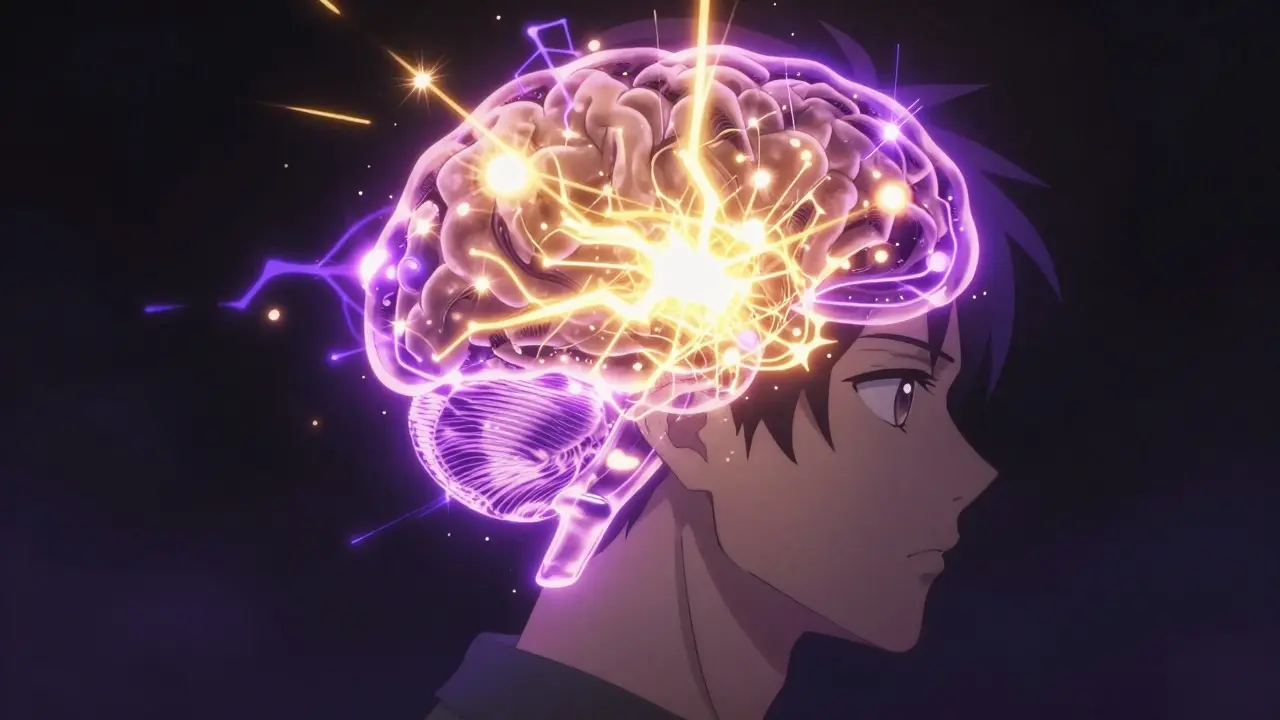
Recognizing the Symptoms: From Mild to Severe
Serotonin syndrome doesn't hit everyone the same way. It exists on a spectrum. A mild case might feel like a bad case of the jitters, while a severe case looks like a total system collapse. Doctors often use the Hunter Criteria to diagnose it, looking for specific physical signs that are hard to mistake for other illnesses.
Mild Symptoms: You'll likely notice a shaking or jittery feeling first. You might experience shivering, a slight tremor, or dilated pupils. Many people mistake this for simple anxiety or a "caffeine rush." Diarrhea is also common, appearing in about 70% of cases.
Moderate Symptoms: This is where things get concerning. You'll likely see hyperreflexia-basically, your reflexes become overactive, especially in your legs. You might experience muscle spasms (myoclonus) and a racing heart (tachycardia) over 100 beats per minute. Your skin may become flushed and sweaty.
Severe Symptoms: At this stage, the body is in crisis. High fever (hyperthermia), severe muscle rigidity, and mental confusion or delirium set in. In the worst cases, this leads to disseminated intravascular coagulation (blood clotting issues) and organ failure. If you see someone who is rigid, confused, and burning up, this is a 911 emergency.
How the Emergency Response Works
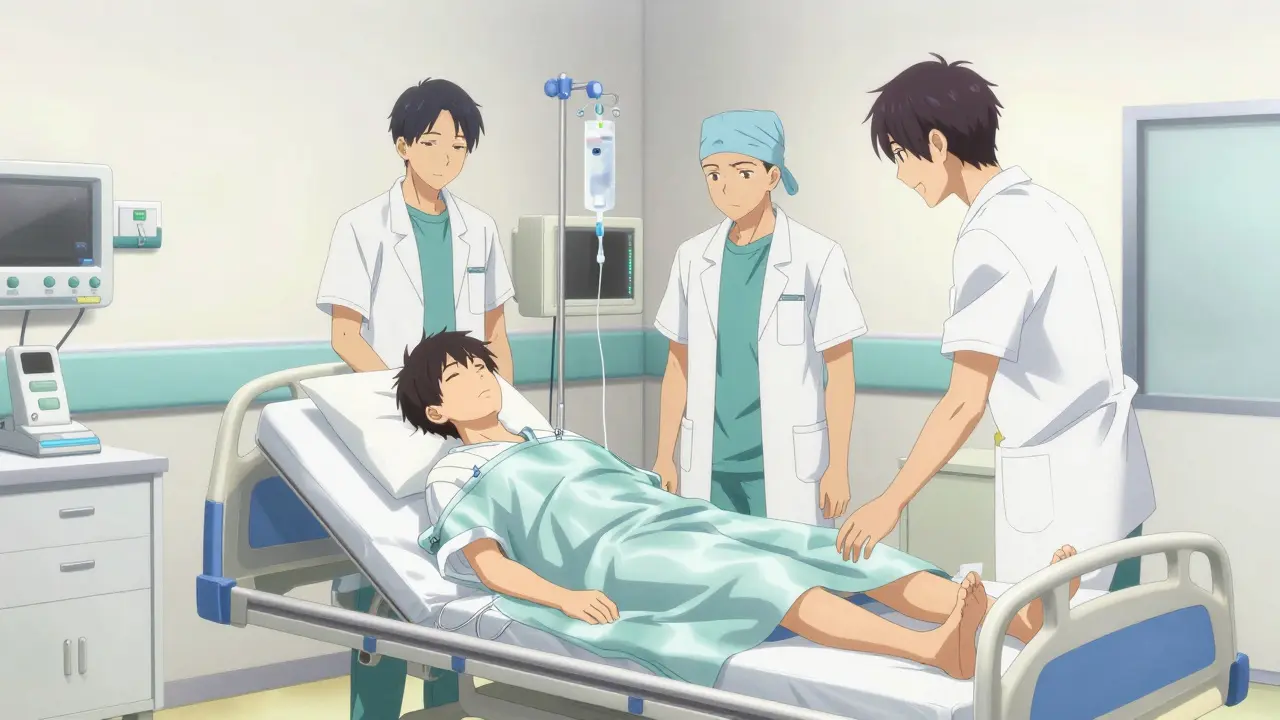
The goal of emergency treatment is simple: stop the serotonin from building up and bring the body's systems back down to a safe level. The very first step, regardless of how sick the patient is, is the immediate discontinuation of all serotonergic drugs.
For mild cases, doctors typically use benzodiazepines like Lorazepam to calm the agitation and stabilize the heart rate. Most people recover from mild cases within 24 to 72 hours with simple supportive care.
When things get severe, the medical team moves into aggressive intervention:
- Rapid Cooling: If the fever hits 41.1°C, external cooling (like ice packs or cooling blankets) is used to prevent brain damage.
- Serotonin Blockers: Doctors may administer Cyproheptadine, a drug that specifically blocks serotonin 2A receptors to stop the toxicity.
- Life Support: If the patient can't breathe due to muscle rigidity or lung failure, intubation and mechanical ventilation are required.
- Hemodynamic Control: IV fluids are pumped in to keep blood pressure stable and protect the kidneys from muscle breakdown toxins.
Avoiding the Trap: Prevention and Misdiagnosis
One of the scariest parts of this condition is how often it's missed. Because symptoms like fever and agitation are so common, it's frequently misdiagnosed as a viral infection or Neuroleptic Malignant Syndrome (NMS). The key difference? NMS usually causes "lead-pipe" rigidity (stiff as a board), while serotonin syndrome causes hyperreflexia (twitchy, overactive reflexes).
To keep yourself safe, you need to be your own advocate. Don't just tell your doctor the names of your prescriptions; tell them about your vitamins, over-the-counter cough syrups, and supplements. Some common herbs like St. John's Wort can interact with antidepressants and trigger a reaction.
If you are switching medications, follow the "washout period" rule. For instance, if you're stopping an MAOI, the FDA recommends waiting 14 days before starting an SSRI. If you're coming off fluoxetine (Prozac), you might need to wait up to 5 weeks because that specific drug stays in your system much longer than others.
Can I get serotonin syndrome from just one medication?
While rare, it is possible to develop serotonin syndrome from a single medication if the dose is accidentally too high (an overdose) or if your body cannot metabolize the drug properly due to a genetic enzyme deficiency or a separate drug interaction that blocks your liver enzymes.
How quickly do symptoms appear after taking a new drug?
The highest risk is within the first 24 hours of starting a new serotonergic medication or increasing your current dose. In many cases, symptoms appear almost immediately after the first few doses of a conflicting drug are taken.
Is serotonin syndrome the same as an allergic reaction?
No. An allergic reaction is an immune system response (like hives or swelling). Serotonin syndrome is a toxic reaction caused by a chemical overload in the brain and nervous system. It's about the amount of the chemical, not an allergy to the drug itself.
What should I do if I suspect I have a mild case?
Even if symptoms seem mild (shivers, jitteriness), you should contact your prescribing doctor or go to urgent care immediately. Mild cases can progress to severe toxicity very quickly, and the only safe way to handle it is to have a professional manage the discontinuation of your meds.
Can herbal supplements cause this?
Yes. Supplements like St. John's Wort increase serotonin levels and can interact dangerously with SSRIs or MAOIs. Always run your supplements by a pharmacist before mixing them with psychiatric medications.
Next Steps for Patients and Caregivers
If you are currently taking any of the medications listed in the table above, start by creating a complete list of everything you ingest, including "natural" supplements. Share this list with your primary doctor and your pharmacist; they are your best line of defense against dangerous interactions.
For those recovering from an episode, focus on gradual reintegration of medications only under strict medical supervision. If you are a caregiver for someone on these meds, learn to spot the "twitch." If you notice unexplained shivering or sudden confusion in a loved one who is on antidepressants, don't wait for a fever to develop-seek help immediately. Early recognition reduces the risk of mortality by a massive margin.


