
Doping Risk Assessment Tool
Assess your personal risk of health consequences from performance-enhancing drugs based on substances used, duration, and dosage.
Your Inputs
Risk Assessment Results
Critical Health Risks
Recovery Time
Action Steps
Every year, thousands of athletes - from weekend gym-goers to competitive runners - take medications thinking they’ll help them push harder, recover faster, or build more muscle. But what many don’t realize is that these same substances can quietly wreck their health, sometimes permanently. It’s not just about banned drugs like anabolic steroids. Even over-the-counter supplements, hormone treatments, and so-called "legal" alternatives can trigger dangerous side effects that no coach or YouTube video warns you about.
What You’re Really Taking
Most people think of performance-enhancing drugs as something only elite athletes use. That’s outdated. Today, 60-80% of people using anabolic steroids aren’t competing in the Olympics - they’re regular guys and gals lifting weights at their local gym. They buy pills online, mix powders in their shakers, or get injections from friends who "know a guy." The goal? Gain muscle faster, feel more energy during workouts, or bounce back after a tough session. But here’s the truth: these substances don’t just boost performance. They rewrite your body’s chemistry. Anabolic steroids like nandrolone or stanozolol bind to androgen receptors and force your muscles to grow - sometimes adding 4.5 to 11 pounds of muscle in just 10 weeks. That sounds great until you learn that your heart is growing too. Studies show steroid users develop 27-45% more cardiac mass than non-users, even after accounting for size and age. That extra muscle isn’t helping your heart - it’s stiffening it, reducing its ability to pump blood efficiently. Some users end up with ventricular ejection fractions 8-12% lower than normal, a sign their heart is struggling. Stimulants like caffeine, ephedrine, or amphetamines give a quick edge. A dose of 3-6 mg of caffeine per kilogram of body weight can sharpen reaction times by 8-12% in under 30 minutes. But that same dose can spike your blood pressure, trigger arrhythmias, or send you to the ER. In the U.S. alone, energy drink overdoses lead to over 2,000 emergency visits every year. And it’s not just caffeine - many pre-workout powders contain hidden stimulants not listed on the label. Then there’s blood doping. Athletes use EPO or transfusions to increase red blood cells, boosting oxygen delivery and endurance. VO2 max can jump 5-15%. Sounds like a win - until your blood thickens. When hematocrit hits 50% or higher, stroke risk goes up sevenfold. There are documented cases of healthy athletes under 30 having heart attacks because their blood couldn’t flow properly.The Hidden Damage
The side effects aren’t always obvious right away. Many users feel fine during their cycle. The problems show up months or years later. For men, testosterone suppression is almost guaranteed. After just 8 weeks of high-dose steroid use, 90% of users drop below 300 ng/dL - the clinical threshold for hypogonadism. Their testicles shrink. Sperm counts plunge below 1 million/mL (normal is over 15 million). Some never recover naturally. One study found 38% of long-term users end up needing lifelong testosterone replacement therapy. Women face irreversible changes too. In 35% of cases, voice deepening sticks around even after stopping. Clitoral enlargement beyond 2.5 cm has been clinically documented. Hair loss, acne, and menstrual disruption are common. These aren’t side effects you can just "wait out." Liver damage is another silent killer. Oral steroids like oxymetholone are especially toxic. NHS data shows 68% of users develop elevated liver enzymes - a red flag for liver stress. Some end up with peliosis hepatis, where blood-filled cysts form in the liver, risking internal bleeding. Kidneys aren’t safe either. Long-term users show 15-25% declines in creatinine clearance, meaning their kidneys can’t filter waste as well. There are reports of kidney failure in athletes as young as 28. And then there’s the mind. Eighty-three percent of recreational users report severe mood swings - rage, paranoia, irritability. Sixty-seven percent experience clinical depression during off-cycles. One Reddit user wrote: "I gained 25 pounds of muscle in 10 weeks. Lost it all in 8 weeks. Then I couldn’t get out of bed for months.""Safer" Alternatives? Think Again
A lot of people turn to SARMs - selective androgen receptor modulators - thinking they’re the smart choice. They’re marketed as "legal steroids" with fewer side effects. But here’s the catch: the FDA tested 100 SARMs products sold online. 89% contained something completely different than what was on the label. Some had undisclosed steroids. Others had toxic compounds linked to liver failure. Even worse, SARMs aren’t approved for human use anywhere in the world. They’re sold as "research chemicals" - meaning they’ve never been tested for safety in people. And yet, they’re the fastest-growing segment in the doping market, with sales up 35% annually. WADA added three new SARMs to its monitoring list in 2023 because they’re everywhere. Peptide hormones like HGH are another trap. They’re harder to detect, so they’re popular among those trying to slip under the radar. But HGH doesn’t just build muscle - it thickens the walls of your heart, causes joint pain, and can trigger acromegaly - a condition where your jaw, hands, and feet keep growing. The Mayo Clinic calls these gains "premature aging equivalent to 10-15 extra years."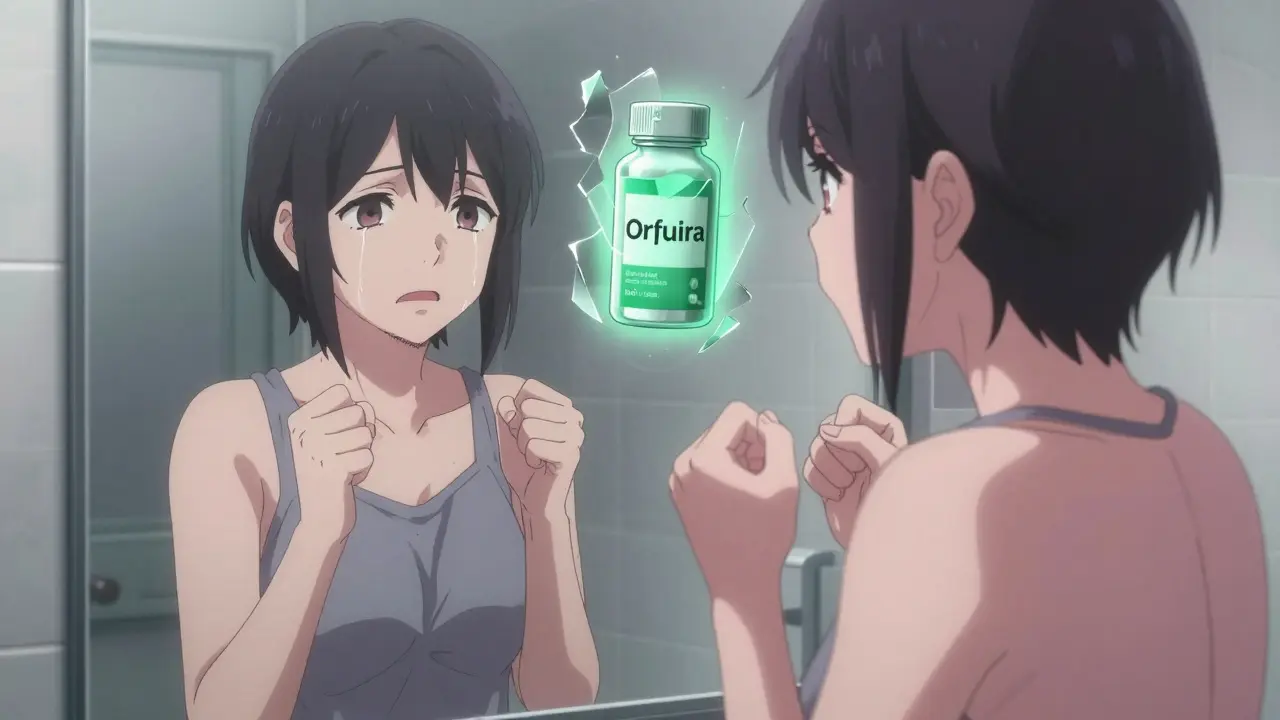
Why Doctors Miss It
Here’s something shocking: 7 out of 10 family doctors don’t recognize steroid use in their patients. Why? Because users don’t tell them. A survey found 42% of recreational athletes use performance-enhancing drugs, but only 12% have ever mentioned it to their physician. Doctors aren’t trained to ask. They see high blood pressure, low testosterone, or liver issues - and treat the symptoms, not the cause. They don’t know to check for signs of steroid use unless the patient brings it up. And most won’t - out of shame, fear of judgment, or just not knowing it’s a medical issue. Even when they do suspect it, there’s little they can do. Therapeutic Use Exemptions (TUEs) exist for legitimate medical conditions - like hypothyroidism or adrenal insufficiency - but not for "anti-aging," "wellness," or "gaining muscle faster." If you’re taking steroids just to look better or lift heavier, you’re not eligible for a legal exemption. And if you’re caught competing with a banned substance, you face suspension, fines, or worse.The Real Cost of "Getting Ahead"
It’s easy to focus on the gains. But the long-term cost is brutal. One athlete, 29, had a heart attack after years of stacking steroids. He didn’t smoke. Didn’t have high cholesterol. His blood pressure was normal - until he stopped taking the drugs. Then his heart, weakened by years of abuse, couldn’t handle the stress. He survived, but now needs daily medication and can’t lift weights anymore. Another case: a 26-year-old woman developed irreversible voice changes and facial hair growth after 18 months of using oral steroids. She stopped - but the damage was done. She now needs counseling to cope with the physical and emotional toll. Even tendon injuries are more common. When steroids make your muscles grow faster than your tendons can adapt, you’re walking around with a ticking time bomb. One study found athletes suffered tendon ruptures at only 70% of the load their tendons should handle. One wrong lift - and your Achilles is gone.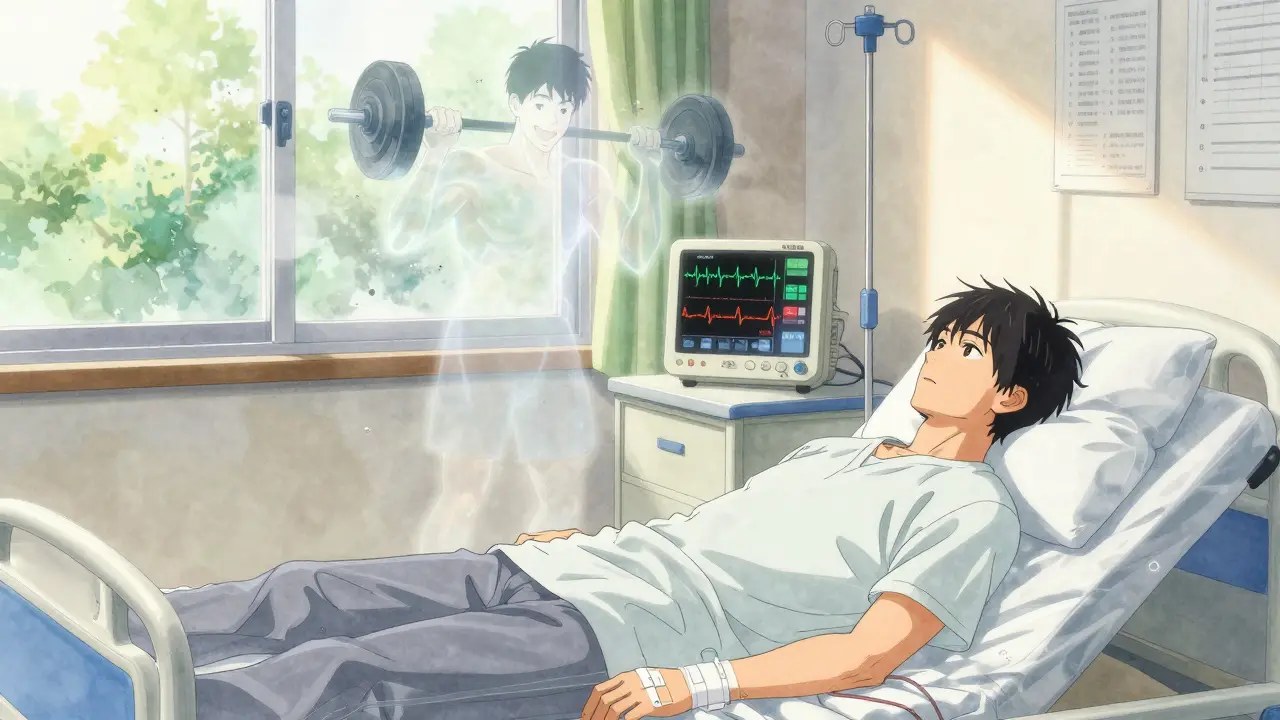
What Should You Do?
If you’re using performance-enhancing drugs, stop pretending they’re harmless. The science is clear: every gain comes with a price tag written in your organs, your hormones, and your mental health. If you’re not using them but considering it - ask yourself: Is this worth risking your heart? Your fertility? Your future ability to move without pain? There’s no shortcut to real strength. Natural progress is slow. But it’s safe. You can build muscle, improve endurance, and recover faster without touching a single banned substance. It just takes time, consistency, and smart training. If you’re already using these drugs and want to quit - don’t do it alone. Withdrawal can trigger severe depression, fatigue, and hormonal crashes that last months. Seek help from a sports medicine specialist. Get blood work done. Monitor your testosterone, liver enzymes, and heart function. Recovery is possible - but it takes medical support, not just willpower.Final Thought
The line between "enhancing performance" and "damaging your body" is thinner than you think. What looks like a quick win today becomes a lifelong burden tomorrow. The athletes who last - the ones who stay healthy, strong, and active into their 40s and 50s - aren’t the ones who took the fastest route. They’re the ones who stayed patient. Who trusted the process. Who knew that real strength isn’t measured in pounds lifted or race times - but in how long you can keep moving without pain, without pills, and without regret.Can you legally use steroids for athletic performance?
No. Anabolic steroids and most performance-enhancing drugs are banned by WADA and illegal without a prescription for specific medical conditions. Even if you’re not competing, using them for muscle gain or recovery violates anti-doping rules and can lead to legal consequences if detected. Therapeutic Use Exemptions (TUEs) are only granted for documented medical needs - not for enhancing fitness or appearance.
Do SARMs really have fewer side effects than steroids?
No. SARMs are marketed as safer, but they’re not approved for human use and carry the same risks as steroids - including liver damage, hormonal suppression, and heart strain. Worse, 89% of SARMs sold online contain undisclosed, potentially toxic ingredients. There’s no long-term safety data because they’ve never been properly tested in humans.
How long does it take to recover from steroid use?
Recovery varies. Hormonal balance can take 6-12 months, and in 38% of chronic users, natural testosterone production never fully returns. Liver enzymes may normalize in weeks, but heart and tendon damage can be permanent. Psychological symptoms like depression often linger for months. Medical supervision is critical during withdrawal.
Can you test positive for steroids even after stopping?
Yes. Some steroids, especially long-acting injectables like nandrolone, can remain detectable for up to 18 months. New testing methods can identify synthetic testosterone through metabolic fingerprints, even years after use. Simply stopping before a test doesn’t guarantee you’ll pass.
Are over-the-counter supplements safe for athletes?
Many aren’t. Independent testing shows up to 20% of supplements sold in gyms and online contain banned substances not listed on the label. Pre-workouts, fat burners, and protein powders have all been found to include stimulants, steroids, or SARMs. Only use products certified by third-party labs like NSF Certified for Sport or Informed-Sport.


