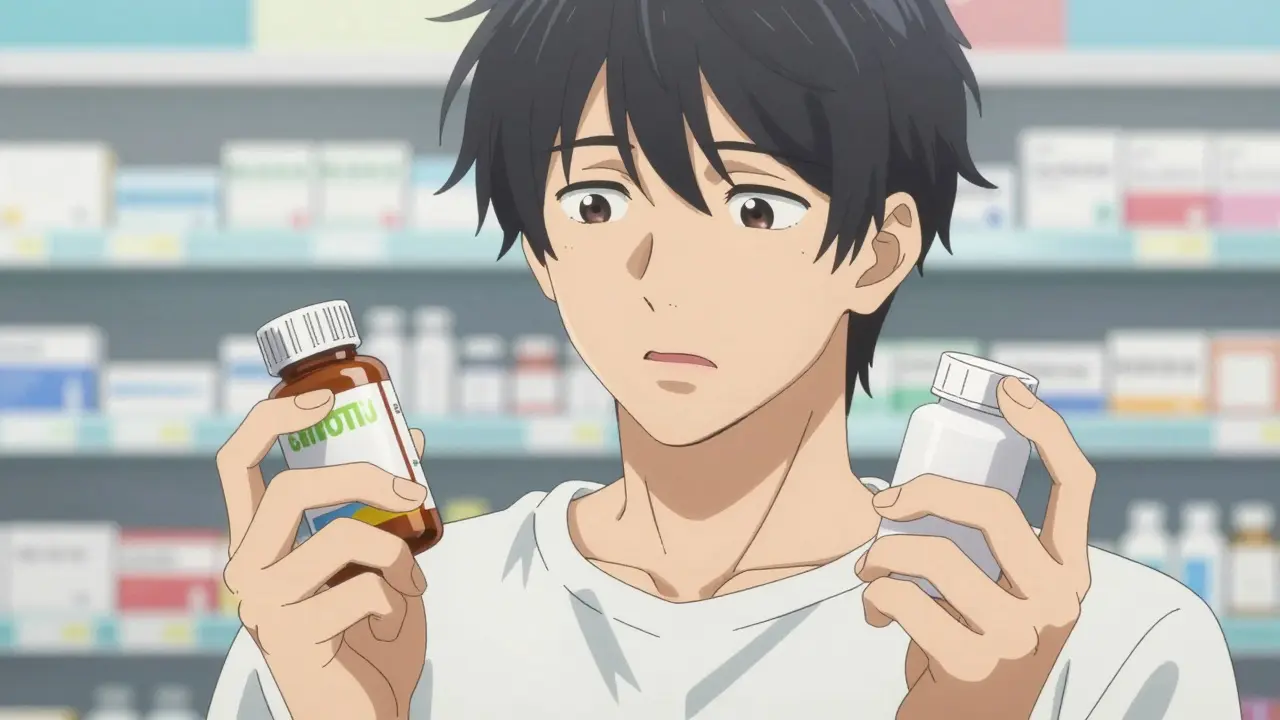
You switch from your trusted brand-name prescription to the cheaper generic version. A week later, you feel dizzy, nauseous, or just 'off.' Is it the new pill? Or is it something else entirely? This question keeps patients and doctors up at night. The short answer is complicated: for most people, generics are safe and effective. But for a small group, the experience can be different.
The debate isn't just about money; it’s about trust in your medication. With generic drugs making up roughly 90% of prescriptions in the United States, understanding why some people report more side effects is crucial. Let's look at what the science says, why your brain might be tricking you, and when you should actually worry.
How Generics Get Approved: The Bioequivalence Rule
To understand side effects, you first need to know how a generic drug earns its place on the shelf. It’s not enough to just copy the active ingredient. In the U.S., the Food and Drug Administration (FDA) requires that a generic drug demonstrate bioequivalence to the brand-name original.
This means the generic must deliver the same amount of active ingredient into your bloodstream within the same timeframe. The rule allows for a margin of error: the absorption rate of the generic must fall between 80% and 125% of the brand-name drug’s performance. On paper, this seems tight. In practice, it works for the vast majority of medications like antibiotics, statins, and blood pressure pills.
However, this 20% variation window can matter for specific drugs. If a medication has a narrow therapeutic index (NTI), meaning the difference between a helpful dose and a harmful one is very small, even slight changes in absorption can cause issues. Drugs like warfarin (a blood thinner), levothyroxine (for thyroid conditions), and phenytoin (for seizures) fall into this category. For these, consistency matters more than cost.
| Drug Name | Use Case | Risk of Variation |
|---|---|---|
| Warfarin | Blood thinning | High - affects INR levels |
| Levothyroxine | Thyroid hormone replacement | High - sensitive dosage needs |
| Phenytoin | Seizure control | High - seizure risk if unstable |
| Cyclosporine | Immune suppression | High - organ rejection risk |
The Nocebo Effect: When Expectation Becomes Reality
Here is where things get psychological. Have you ever heard someone say, "Generics don’t work as well," and then noticed problems after switching? That might not be the drug failing you; it might be your mind working against you. This is called the nocebo effect.
The nocebo effect is the opposite of the placebo effect. Instead of feeling better because you believe a treatment works, you feel worse because you expect negative outcomes. A 2012 study published in PubMed found that patients who were told they were taking a generic medication reported significantly more side effects than those who took the exact same pill but were told it was brand-name. The chemical composition was identical, but the label changed the experience.
A 2016 study in the European Journal of Public Health reinforced this. Patients given placebo pills labeled as "generics" discontinued them earlier and reported higher pain levels than those given identical pills labeled as "brand-name." Your brain is powerful. If you doubt the generic, your body may react with anxiety, insomnia, or physical discomfort, which you then blame on the medication.
Inactive Ingredients: The Hidden Culprits
If it’s not the active drug and not your mindset, what could it be? The answer often lies in the stuff you don’t think about: inactive ingredients. These are fillers, binders, dyes, and preservatives that hold the pill together and give it color.
Brand-name manufacturers use proprietary blends of these excipients. Generic manufacturers can use different ones, as long as they meet safety standards. For most people, this doesn’t matter. But if you have sensitivities or allergies, it can make a big difference.
- Dyes: Some generics use different coloring agents. If you’re sensitive to certain dyes, you might experience mild allergic reactions.
- Fillers: Lactose is a common filler. People with lactose intolerance might notice digestive upset if their generic contains it while their brand did not.
- Binders: These affect how the pill dissolves. Slight differences here can change how quickly you feel the effects, leading to perceived "jitters" or delayed relief.
Dr. Lucinda Maine, CEO of the American Association of Colleges of Pharmacy, noted that patient complaints often correlate with changes in these inactive components rather than the active pharmaceutical ingredient itself.

Manufacturing Origins: Does Location Matter?
A controversial topic in recent years is where generic drugs are made. The FDA oversees approximately 1,700 generic manufacturing facilities worldwide. As of 2022, 63% of these were located outside the United States, with India and China being major hubs.
In 2022, researchers from Ohio State University published findings suggesting that generic drugs manufactured in India were linked to 54% higher rates of severe adverse events compared to equivalent drugs produced in the U.S. They argued that "mature" generic drugs-those on the market longer-were responsible for most of this disparity due to potential quality control challenges in global supply chains.
However, the FDA disputes this interpretation. They state that facility location does not necessarily correlate with product quality, pointing to increased inspections under the Generic Drug User Fee Amendments (GDUFA). Between 2010 and 2022, FDA inspections of foreign facilities rose from 42 to 317. While 12% of foreign facilities received "Official Action Indicated" ratings (meaning serious issues were found), the agency maintains that rigorous oversight ensures safety regardless of origin.
For patients, this means checking the manufacturer’s country of origin might provide peace of mind, though regulatory bodies insist all approved generics meet strict safety benchmarks.
What Do the Large Studies Say?
When we look at large-scale data, the picture becomes clearer. A comprehensive 2018 study in PLOS Medicine examined 38 clinical trials involving cardiovascular drugs. The lead author, Dr. Aaron Kesselheim from Harvard Medical School, concluded that there was no evidence of inferior efficacy or safety for generic versions compared to brand-name products. Outcomes like heart attacks, strokes, and hospitalizations were comparable.
Similarly, a 2020 Nature Scientific Reports study found that patients using generic medicines experienced fewer major cardiac and cerebrovascular events than those on branded medicines. In fact, discontinuation rates were lower for generics in some cases, suggesting better tolerance.
Yet, contradictions exist. A 2019 analysis by Harvard Health Publishing looked at over 136,000 older adults using blood pressure meds. It found an 8-14% increase in emergency room visits and hospitalizations in the month following the switch to generics for drugs like losartan and valsartan. However, the study couldn’t prove causation-other factors like lifestyle changes or underlying health declines could explain the spike.
Practical Steps for Patients
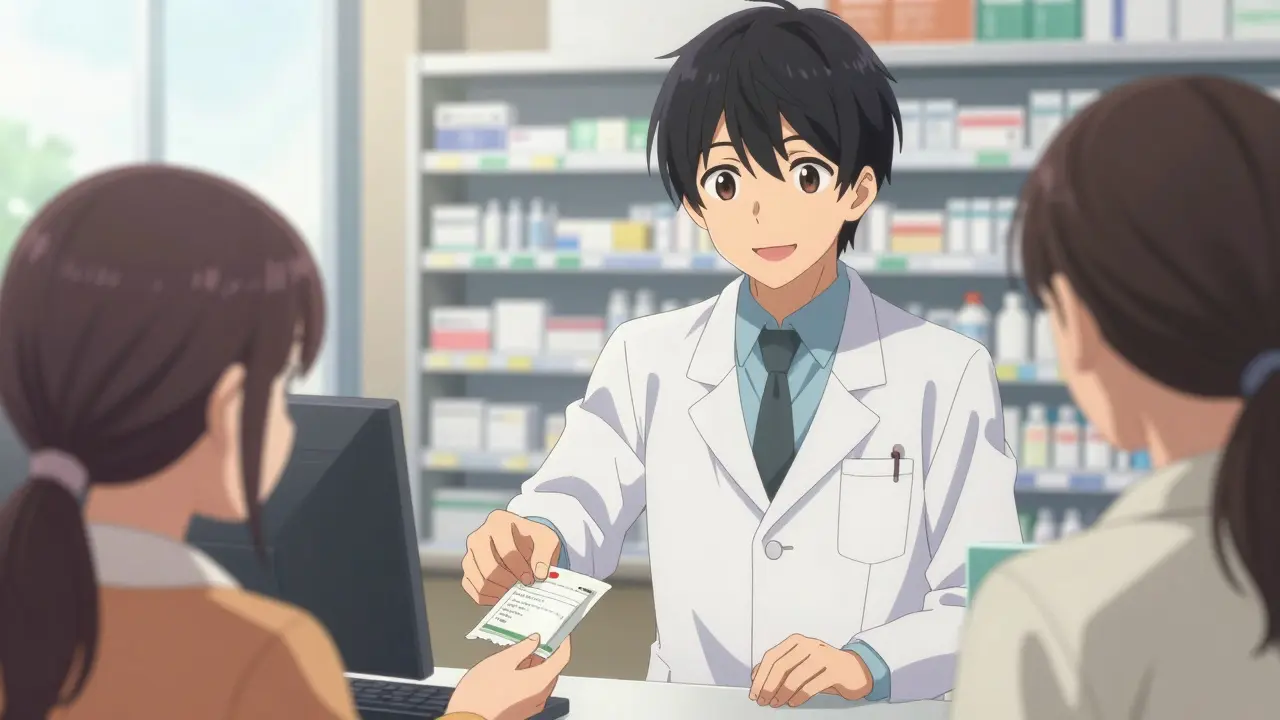
So, what should you do if you’re worried about side effects? Here is a practical guide based on current medical consensus.
- Don’t Panic After a Switch: If you start a generic and feel odd, wait a few days. Sometimes your body just needs time to adjust to a slightly different dissolution rate.
- Track Your Symptoms: Keep a simple log. Note when you take the pill and any symptoms. This helps distinguish between true side effects and random daily ailments.
- Talk to Your Pharmacist: Pharmacists can check the inactive ingredients list. If you suspect an allergy to a dye or filler, they can see if another generic manufacturer uses different excipients.
- Ask About "Dispense as Written": For narrow therapeutic index drugs like warfarin or levothyroxine, ask your doctor to specify "DAW" on the prescription. This forces the pharmacy to dispense the exact brand or manufacturer you prefer, ensuring consistency.
- Educate Yourself: Understanding that generics are rigorously tested can reduce nocebo-related anxiety. A 2020 study showed patients who received detailed explanations about generic equivalence were 37% less likely to report adverse effects.
Conclusion: Trust, But Verify
Are adverse reactions more likely with generics? For the average person taking standard medications like ibuprofen or metformin, the answer is no. The benefits of cost savings and accessibility far outweigh the minimal risks. However, individual biology varies. Sensitivities to inactive ingredients, psychological expectations, and the unique nature of narrow therapeutic index drugs mean that exceptions exist.
If you consistently struggle with generics, don’t suffer in silence. Work with your healthcare provider to find a formulation that works for you. Whether that’s a different generic manufacturer or sticking with the brand-name, your health and comfort are the ultimate priorities.
Can generic drugs cause different side effects than brand-name drugs?
Yes, potentially. While the active ingredient is the same, differences in inactive ingredients (fillers, dyes) can cause reactions in sensitive individuals. Additionally, slight variations in absorption rates may affect how some people feel, especially with narrow therapeutic index drugs.
What is the nocebo effect in relation to generic drugs?
The nocebo effect occurs when negative expectations about a treatment lead to actual negative symptoms. Studies show that patients who believe generics are inferior often report more side effects, even when taking identical placebo pills, simply due to psychological suggestion.
Are generic drugs made in India less safe?
Some studies suggest higher adverse event rates for Indian-manufactured generics, citing quality control concerns. However, the FDA maintains that all approved generics meet strict safety standards regardless of origin, noting increased inspection rigor in recent years.
Which drugs require extra caution when switching to generics?
Drugs with a narrow therapeutic index (NTI) require extra caution. These include warfarin, levothyroxine, phenytoin, and cyclosporine. Small changes in absorption can lead to significant health risks, so consistency in manufacturer is often recommended.
How can I avoid side effects when switching to a generic?
Talk to your pharmacist about inactive ingredients if you have allergies. Ask your doctor for "Dispense as Written" instructions for NTI drugs. Educate yourself on bioequivalence to reduce anxiety, and track your symptoms to identify true causes of discomfort.


