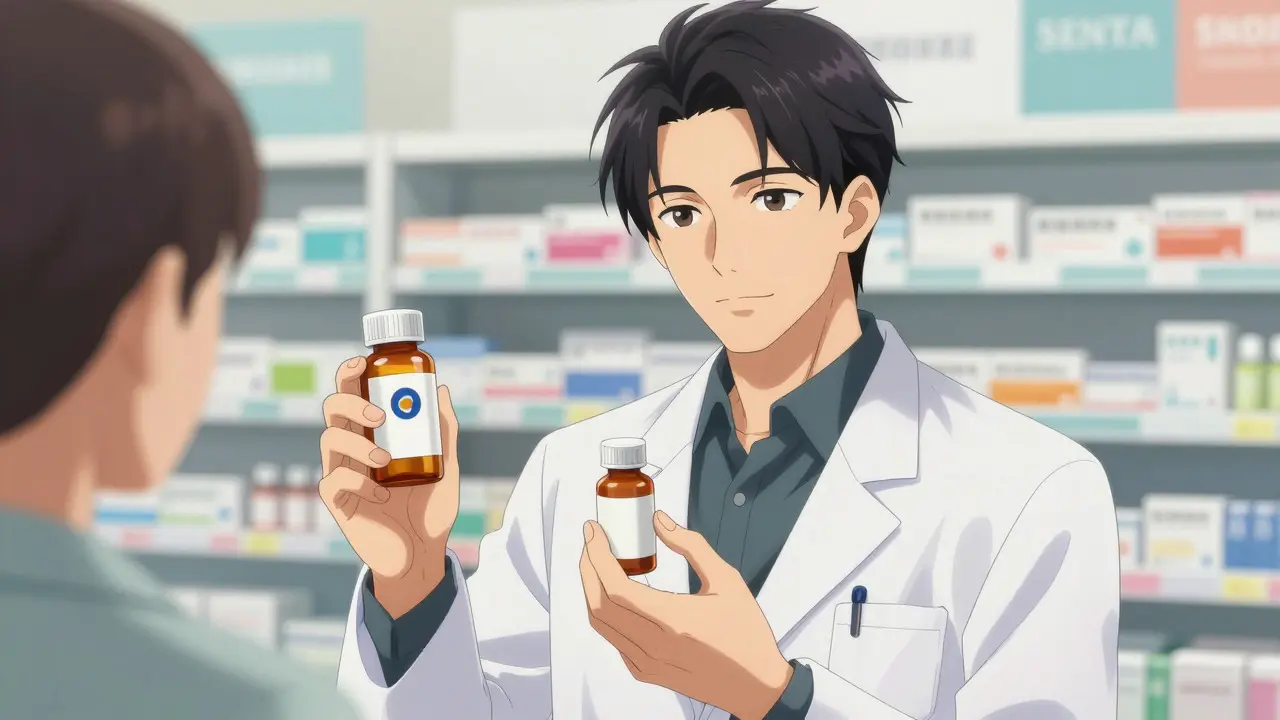
Have you ever looked at your prescription bottle and noticed the price dropped significantly, but the drug name stayed exactly the same? Or perhaps your pharmacist handed you a pill that looks slightly different from what you’ve taken for years, claiming it’s an authorized generic, which is a brand-name drug marketed without the brand name on its label, containing identical active and inactive ingredients to the original brand product. It can be confusing. You know regular generics are cheaper copies, but this sounds like something else entirely. Is it safe? Is it really the same medicine?
The short answer is yes. An authorized generic is not just "similar" to the brand-name drug; it is chemically and physically identical. It is the exact same product manufactured by the brand company, just sold under a different label to save you money. Understanding the difference between these and typical generics can help you make informed decisions about your healthcare costs without worrying about your health outcomes.
What Exactly Is an Authorized Generic?
To understand why authorized generics exist, we have to look at how the U.S. Food and Drug Administration (FDA) regulates drugs. When a pharmaceutical company develops a new medication, they file a New Drug Application (NDA). This process involves expensive clinical trials to prove the drug is safe and effective. Once approved, the company holds a patent, giving them exclusive rights to sell the drug for a certain period.
When that patent expires, other companies can step in. Usually, they file an Abbreviated New Drug Application (ANDA). These are your standard generics. They don’t need to run full clinical trials because they only need to prove their version is bioequivalent-meaning it works the same way in the body as the brand. However, they might use different fillers, dyes, or binders.
An authorized generic takes a different path. The brand-name company itself decides to market its own drug without the brand name attached. Because it comes from the same manufacturer, under the same NDA, it uses the exact same formula, including every single inactive ingredient. Think of it like buying a private-label cereal at the grocery store that is actually made by Kellogg’s or General Mills. It’s the same food, just in a different box with a lower price tag.
The Regulatory Difference: NDA vs. ANDA
The biggest technical distinction lies in the paperwork. Standard generics are approved through the ANDA process. Authorized generics are approved under the brand’s existing NDA. This has a major practical implication: authorized generics do not appear in the FDA’s Approved Drug Products with Therapeutic Equivalence Evaluations, commonly known as the Orange Book.
The Orange Book is the go-to resource for pharmacists to check if a generic is therapeutically equivalent to a brand. Since authorized generics aren’t listed there, they can sometimes cause confusion in pharmacy systems. They often have a different National Drug Code (NDC), making them appear as a separate product in inventory software, even though the physical pill inside the bottle is identical to the brand-name version.
| Feature | Brand-Name Drug | Typical Generic (ANDA) | Authorized Generic (NDA) |
|---|---|---|---|
| Manufacturer | Original Brand Company | Third-Party Generic Company | Original Brand Company |
| Active Ingredient | Identical | Identical | Identical |
| Inactive Ingredients | Specific Formula | May Differ (Fillers/Dyes) | Identical to Brand |
| Regulatory Pathway | New Drug Application (NDA) | Abbreviated New Drug Application (ANDA) | New Drug Application (NDA) |
| Orange Book Listing | Listed | Listed | Not Listed |
| Price | Highest | Lowest | Lower than Brand, Higher than Typical Generic |
Are They Therapeutically Equivalent?
This is the question that keeps many patients up at night. If the pill looks different or the label doesn’t say the famous brand name, will it still work? The consensus among regulatory bodies and medical experts is clear: authorized generics are therapeutically equivalent to their brand-name counterparts.
Dr. Janet Woodcock, former Director of the FDA’s Center for Drug Evaluation and Research, has stated that authorized generics provide the same therapeutic effect as the brand-name product because they contain identical active and inactive ingredients. Since the manufacturing process, quality controls, and facility are the same, there is no variation in how the drug performs in your body.
Research supports this. A retrospective cohort study published in PMC analyzed data from over 5,000 patients who switched from brand-name drugs to generics. The study compared outcomes for those who received typical generics versus those who received authorized generics (used as a proxy for the brand). The results showed similar rates of outpatient visits, hospitalizations, and medication discontinuation. In fact, the likelihood of emergency department visits was statistically insignificant between the two groups. The study concluded that generics were clinically no worse than their brand comparators.
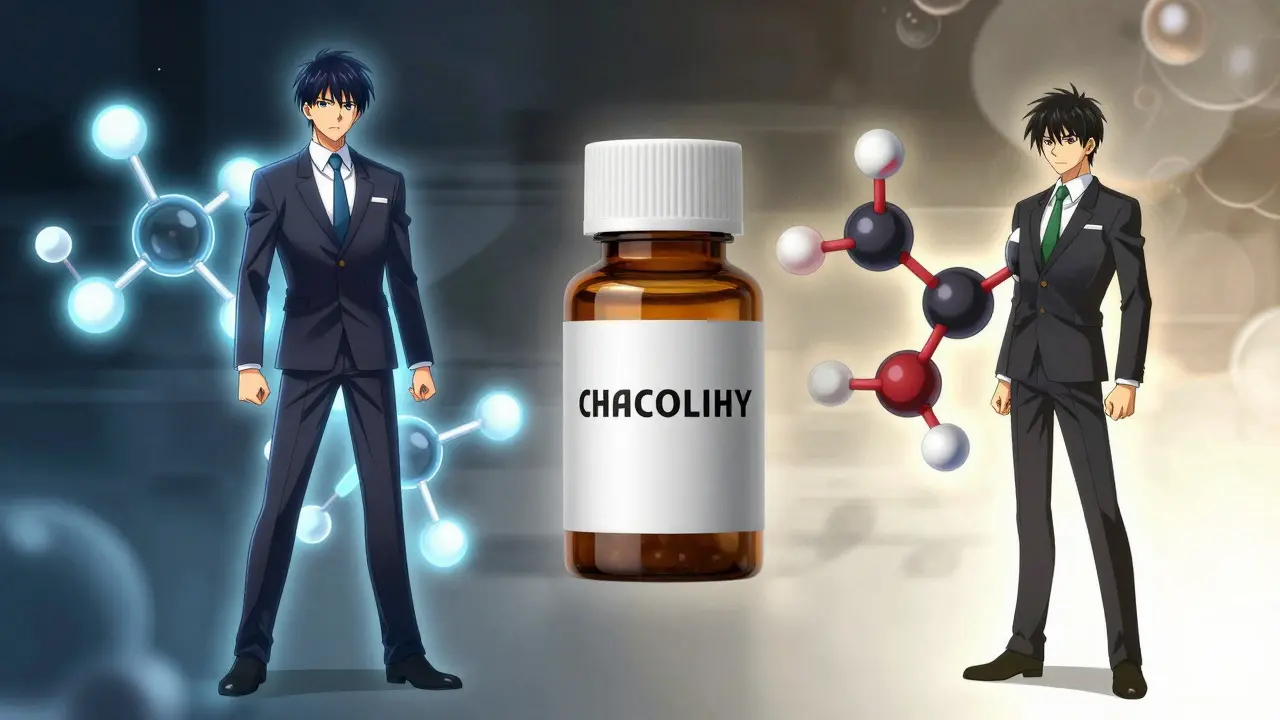
Why Do Brand Companies Sell Their Own Generics?
If the brand-name drug makes more profit per unit, why would a company release a cheaper version? It’s a strategic move. When patents expire, third-party generic manufacturers flood the market, driving prices down drastically. By releasing an authorized generic, the brand company can capture some of that generic market share.
It allows them to offer a lower-cost option to price-sensitive patients while maintaining control over the supply chain. For patients, this means access to the exact formulation they trust, but at a reduced cost. However, it’s worth noting that authorized generics are usually priced higher than typical generics. They sit in the middle ground-cheaper than the brand, but more expensive than the competition.
Patient Concerns and Narrow Therapeutic Index Drugs
Some patients are hesitant to switch from brands to any form of generic, particularly for narrow therapeutic index (NTI) drugs. These are medications where a small change in blood concentration can lead to toxicity or lack of efficacy, such as warfarin (blood thinner) or levothyroxine (thyroid hormone).
While typical generics must meet strict bioequivalence standards, some patients worry about batch-to-batch variations in inactive ingredients. With authorized generics, this concern is largely moot because the formulation never changes. Dr. Philip Albrecht of the University of Maryland School of Pharmacy notes that while minor batch variations can theoretically affect NTI drugs, the FDA requires all batches-including authorized generics-to meet stringent quality standards. For patients sensitive to fillers or dyes found in typical generics, authorized generics offer a safer bridge because the inactive ingredients remain constant.

What Pharmacists Need to Know
For healthcare providers, authorized generics present a unique logistical challenge. Since they aren’t in the Orange Book, automated dispensing systems might not automatically substitute them for the brand unless specifically programmed. Pharmacists must manually verify that the authorized generic is being dispensed correctly.
Insurance reimbursement can also vary. Some payers treat authorized generics differently than typical generics, potentially affecting your copay. It’s always a good idea to ask your pharmacist if the drug you’re receiving is an authorized generic or a typical generic, especially if you have a history of sensitivity to specific excipients.
Market Trends and Future Outlook
The generic drug market represents approximately 90% of all prescriptions dispensed in the United States. Authorized generics make up a smaller slice, estimated at 5-7% of the generic market through 2028, according to Congressional Budget Office projections. They are most common in chronic condition medications where patients express strong preferences for consistency.
Recent regulatory updates, including the Generic Drug User Fee Amendments (GDUFA) III implementation plan launched in 2022, aim to improve transparency around these products. As healthcare systems continue to push for cost containment, expect to see more authorized generics incorporated into formularies as preferred alternatives to expensive brand-name drugs.
Is an authorized generic the same as a regular generic?
No. A regular generic is made by a different company and may contain different inactive ingredients (fillers, dyes). An authorized generic is made by the original brand-name company and contains the exact same active and inactive ingredients as the brand product.
Do authorized generics appear in the FDA Orange Book?
No. Authorized generics are approved under the brand-name drug's New Drug Application (NDA), whereas the Orange Book lists drugs approved via the Abbreviated New Drug Application (ANDA) process. This is why pharmacists sometimes have trouble identifying them in standard lookup tools.
Are authorized generics cheaper than brand-name drugs?
Yes, typically. While they are usually more expensive than typical generics, authorized generics are priced lower than the brand-name version. This offers a middle-ground option for patients who want the exact brand formulation but cannot afford the full brand price.
Can I request an authorized generic instead of a typical generic?
You can ask, but availability depends on your pharmacy's stock and insurance coverage. Since authorized generics are less common than typical generics, your pharmacist may not have them in stock. Additionally, some insurance plans may cover typical generics at a lower copay than authorized generics.
Is it safe to switch from a brand to an authorized generic?
Yes. Because authorized generics are identical to the brand-name drug in every way except the label, switching poses no clinical risk. Studies show similar safety profiles and effectiveness compared to staying on the brand-name medication.