
Ondansetron Cardiac Risk Assessment Tool
Patient & Dosage Profile
Risk Analysis Result
Enter patient details and click "Analyze" to see the risk level.
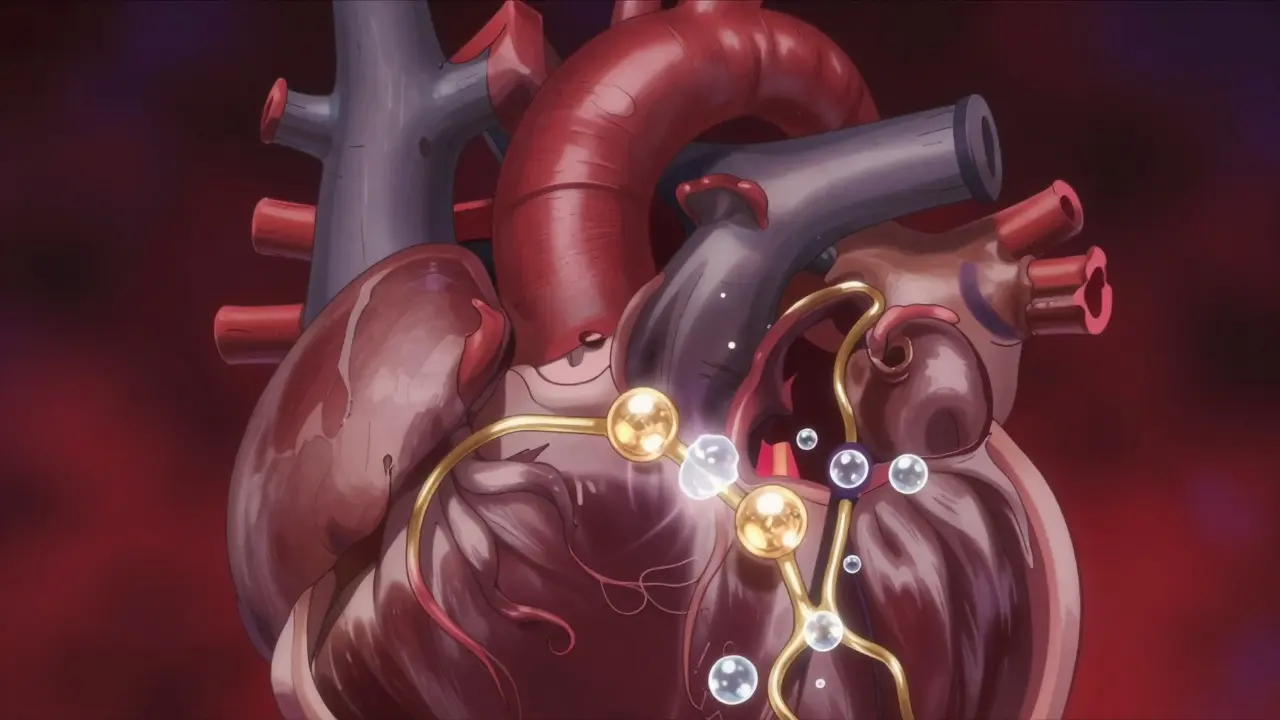
Giving a patient a drug to stop nausea seems straightforward, but for some, the treatment can trigger a dangerous heart rhythm. When we talk about ondansetron is a selective 5-HT3 receptor antagonist used to prevent nausea and vomiting, the biggest red flag isn't stomach upset-it's the electrical recharge time of the heart. This is known as QT prolongation. If the heart takes too long to reset after a beat, it can spiral into a life-threatening arrhythmia called Torsades de Pointes, which can lead to sudden cardiac death. While it doesn't happen to everyone, the risk is real enough that regulatory agencies have stepped in to change how these drugs are dosed.
The Mechanics of Heart Rhythm Delay
To understand why this happens, we have to look at the heart's electrical system. Normally, potassium leaves the cardiac cells to help the heart "reset" for the next beat. However, ondansetron and similar drugs block specific potassium channels called hERG channels. When these channels are blocked, the repolarization process slows down, stretching the QT interval on an ECG.
This isn't just theoretical. Research shows that intravenous (IV) administration has a much more immediate and potent effect on the heart than oral doses. For instance, a study in the Journal of Cardiovascular Pharmacology and Therapeutics found that IV ondansetron caused an average QTc lengthening of 20 milliseconds just three minutes after administration. While 20 milliseconds might sound tiny, in the world of cardiac electrophysiology, every single millisecond counts toward the risk of a fatal event.
Dose Matters: The Danger of High-Dose IVs
One of the most critical takeaways for healthcare providers is that the risk is dose-dependent. The FDA discovered that a 32 mg IV dose caused significantly more QT stretching than an 8 mg dose. Because of this, the FDA explicitly warned against using a single 32 mg IV dose and capped the maximum single IV dose at 16 mg.
Interestingly, oral doses are far safer. The FDA confirmed that single oral doses up to 24 mg for chemotherapy-induced nausea generally don't require the same level of caution or dosage adjustments. If you can use a pill instead of an IV, your patient's heart is likely in a much safer position.
| Drug Name | Class | QT Risk Level | Clinical Note |
|---|---|---|---|
| Dolasetron | 5-HT3 Antagonist | High | FDA limited use due to significant QT risks. |
| Ondansetron | 5-HT3 Antagonist | Moderate to High | Dose-dependent; IV is riskier than oral. |
| Palonosetron | 5-HT3 Antagonist | Low | Preferred for patients with cardiac risk factors. |
| Droperidol | Butyrophenone | Moderate to High | Similar rates of QTc prolongation to ondansetron. |
| Granisetron | 5-HT3 Antagonist | Low to Moderate | Lower cardiac effect than ondansetron. |
Who is Actually at Risk?
Not every patient receiving an antiemetic will develop a heart rhythm problem. The risk spikes when ondansetron is combined with other specific vulnerabilities. You should be extremely cautious with patients who have:
- Congenital Long QT Syndrome: People born with a naturally long QT interval.
- Heart Failure: Patients with congestive heart failure often have altered electrical conduction.
- Electrolyte Imbalances: Low potassium (hypokalemia) or low magnesium (hypomagnesemia) makes the heart much more susceptible to drug-induced arrhythmias.
- Concurrent Meds: Using other "high-risk" drugs like citalopram or quinine at the same time.
For these high-risk groups, a standard 8 mg IV dose might still be too much. Some hospitals, like UCSF Medical Center, require that potassium and magnesium levels be corrected before any ondansetron is given. This isn't just extra paperwork; it's a necessary safeguard against Torsades de Pointes.

Practical Strategies for Safer Administration
Clinical practice has shifted significantly since the 2012 FDA warnings. Many anesthesiologists and ER doctors have moved away from the 16 mg IV dose, opting instead for 4-8 mg. If the patient is high-risk, the protocol often involves getting a baseline ECG first. A QTc interval exceeding 450 msec in men or 470 msec in women is generally considered prolonged and requires a rethink of the medication choice.
If you're worried that a lower dose won't stop the nausea, don't just increase the ondansetron. Instead, use combination therapy. Adding dexamethasone is a common and effective way to manage breakthrough nausea without putting the heart at risk. For those with significant cardiac issues, switching to palonosetron is often the smartest move, as it shows a much smaller increase in the QT interval (around 9 msec compared to ondansetron's 20 msec).
Looking Ahead: Personalized Safety
We are moving toward a future where we don't have to guess who will react poorly to these drugs. New research is exploring pharmacogenomics-specifically how the CYP2D6 enzyme affects drug metabolism. People who are "poor metabolizers" of this enzyme may be at a higher risk for exaggerated QT prolongation. This means we might eventually use a genetic test to decide whether a patient gets ondansetron or a safer alternative like palonosetron.
While ondansetron remains a powerhouse for treating chemotherapy-induced nausea due to its high efficacy, the trend is clear: IV use is declining. The medical community is prioritizing cardiac safety over the convenience of a single high dose. By sticking to lower doses, monitoring electrolytes, and choosing the right agent for the right patient, we can stop the nausea without stopping the heart.
What is the safest dose of IV ondansetron?
For most patients, a dose of 4-8 mg IV is considered safe. The FDA recommends that no single intravenous dose exceed 16 mg, and specifically warns against the use of 32 mg IV doses due to the increased risk of QT prolongation.
Is oral ondansetron as risky as the IV version?
No, oral administration carries a significantly lower risk. The FDA has stated that single oral doses up to 24 mg for chemotherapy-induced nausea generally do not require the same restrictive dosing or cardiac monitoring as high-dose IV administration.
Which antiemetic is a safer alternative for cardiac patients?
Palonosetron is often preferred for patients with cardiac risk factors. It has a much lower potential for prolonging the QT interval compared to ondansetron, making it a safer choice for those with pre-existing heart conditions.
What are the signs that a drug is causing QT prolongation?
QT prolongation is detected via an ECG. A QTc interval longer than 450 msec in men or 470 msec in women is typically the threshold for concern. If this progresses, it can lead to Torsades de Pointes, which manifests as a rapid, twisting ventricular tachycardia.
Why do electrolytes like potassium matter here?
Low potassium and magnesium levels destabilize the electrical activity of the heart. When these electrolytes are low, the heart is much more likely to react poorly to drugs that block potassium channels, significantly increasing the risk of a dangerous arrhythmia.