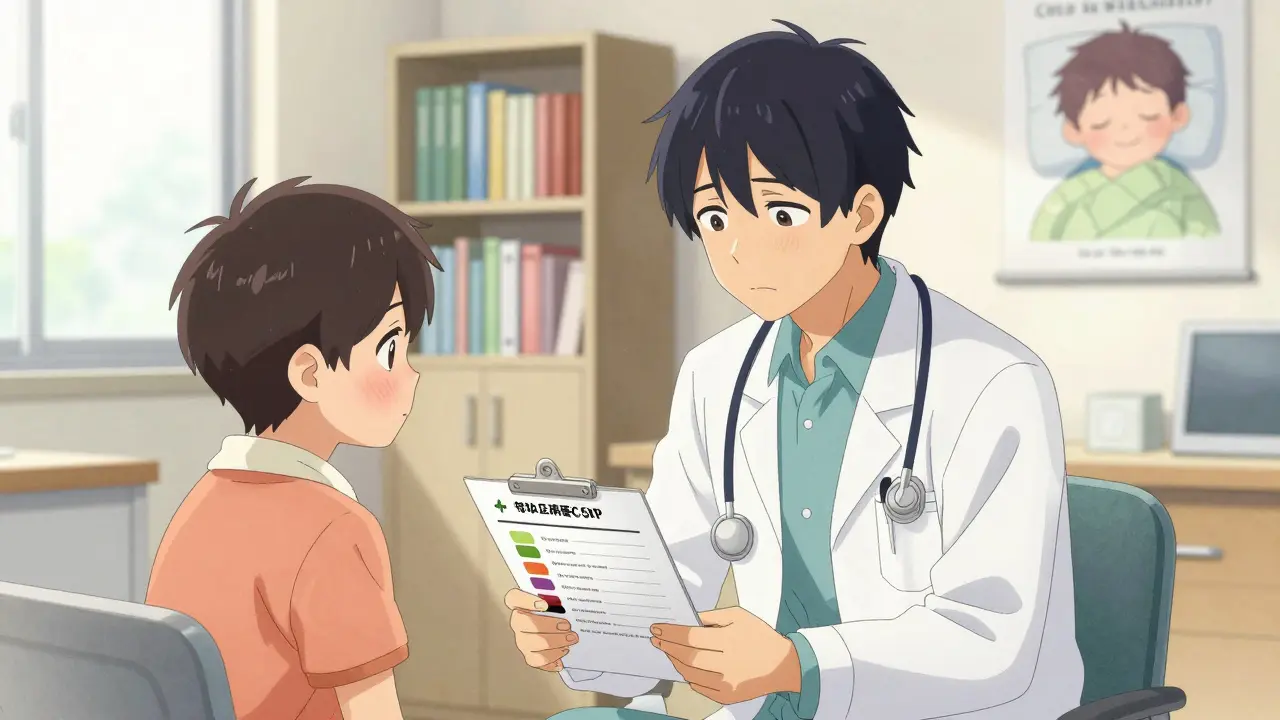
Every parent has been there: your child is sick, feverish, and miserable. You rush to the doctor, hoping for a quick fix. But when the doctor says, "It’s viral - no antibiotics needed," you’re left wondering if you missed something. Why won’t they give your child medicine that feels like it should work? The truth is, antibiotics aren’t magic pills. They’re powerful tools - and like any tool, using them wrong can cause serious harm.
Antibiotics Only Work on Bacteria - Not Viruses
Antibiotics are designed to kill or stop the growth of bacteria. That’s it. They do absolutely nothing to viruses. And here’s the hard truth: most childhood illnesses are viral. A runny nose? Viral. Sore throat? 80% of the time, viral. Diarrhea and vomiting? Almost always viral. Even coughs and fevers? Usually viral too.
That means giving antibiotics for a cold, flu, or stomach bug doesn’t help - it just adds risk. According to Children’s Hospital Colorado, 99% of kids with vomiting or diarrhea don’t need antibiotics. And 90% of pneumonia cases in children are caused by viruses, not bacteria. Yet, too many kids still get antibiotics they don’t need. In fact, the CDC says about 30% of outpatient antibiotic prescriptions for kids are unnecessary.
There’s a reason doctors ask so many questions before prescribing. They’re not being slow - they’re being careful. A green or yellow runny nose? That’s normal in a viral cold. A fever lasting 3 days? That’s typical for a virus. Antibiotics won’t make these go away faster. Only time will.
When Antibiotics Actually Are Needed
So when do kids need antibiotics? Only when there’s clear evidence of a bacterial infection. Here are the real red flags:
- Strep throat: Only about 20% of sore throats in kids are strep. Diagnosis isn’t based on how red the throat looks - it requires a rapid test or culture. If the test is negative, no antibiotics.
- Ear infections (otitis media): Not every ear infection needs antibiotics. For kids 6-23 months with mild symptoms on one side, doctors often recommend waiting 48-72 hours. If the pain gets worse or doesn’t improve, then antibiotics like amoxicillin are started.
- Bacterial sinus infections: If a stuffy nose lasts more than 10 days with thick yellow/green mucus and a fever, that’s a clue. But most sinus issues in kids are still viral.
- Pneumonia: Only about 10% of pneumonia cases in children are bacterial. Doctors look for high fever, fast breathing, and sometimes chest X-rays before prescribing.
Amoxicillin is the go-to first-choice antibiotic for most bacterial infections in kids. It’s effective, safe, and usually taken twice a day for 10 days. For kids over 40 kg, the max daily dose is 3,000 mg. If your child can’t take amoxicillin, alternatives like cephalosporins or azithromycin are used - but only if the infection fits.
Common Side Effects - And What They Mean
About 1 in 10 children will have a side effect from antibiotics. Most are mild, but knowing the difference between normal and dangerous matters.
- Diarrhea: Affects 5-25% of kids. This happens because antibiotics kill good bacteria in the gut too. It’s usually mild and goes away after the course ends.
- Nausea and vomiting: Happens in up to 18% of kids. Giving the medicine with a small amount of food can help.
- Rash: 2-10% of kids get a rash. Here’s the key: 80-90% of these rashes are not allergies. They’re just side effects - flat, pink spots that don’t itch. True allergic rashes are raised, itchy hives.
- Yeast infections: Especially in girls, antibiotics can lead to vaginal or mouth thrush. It’s uncomfortable but treatable.
If your child develops hives, swelling of the lips or tongue, wheezing, or trouble breathing - that’s a true allergic reaction. Stop the medicine and call your doctor immediately. These reactions are rare - only 0.05-0.1% of antibiotic courses - but they need urgent care.
Myths About Allergies
Many parents think if a sibling or parent is allergic to penicillin, their child is too. That’s not true. Studies show 95% of kids labeled "allergic" because of family history can take penicillin safely. Some kids get a rash during a virus and are mislabeled as allergic. Years later, they avoid antibiotics they could have used - and end up with harder-to-treat infections.
If you’re unsure whether your child has a real allergy, ask about an allergy test. A simple skin test or supervised oral challenge can clear up confusion and open up better treatment options.
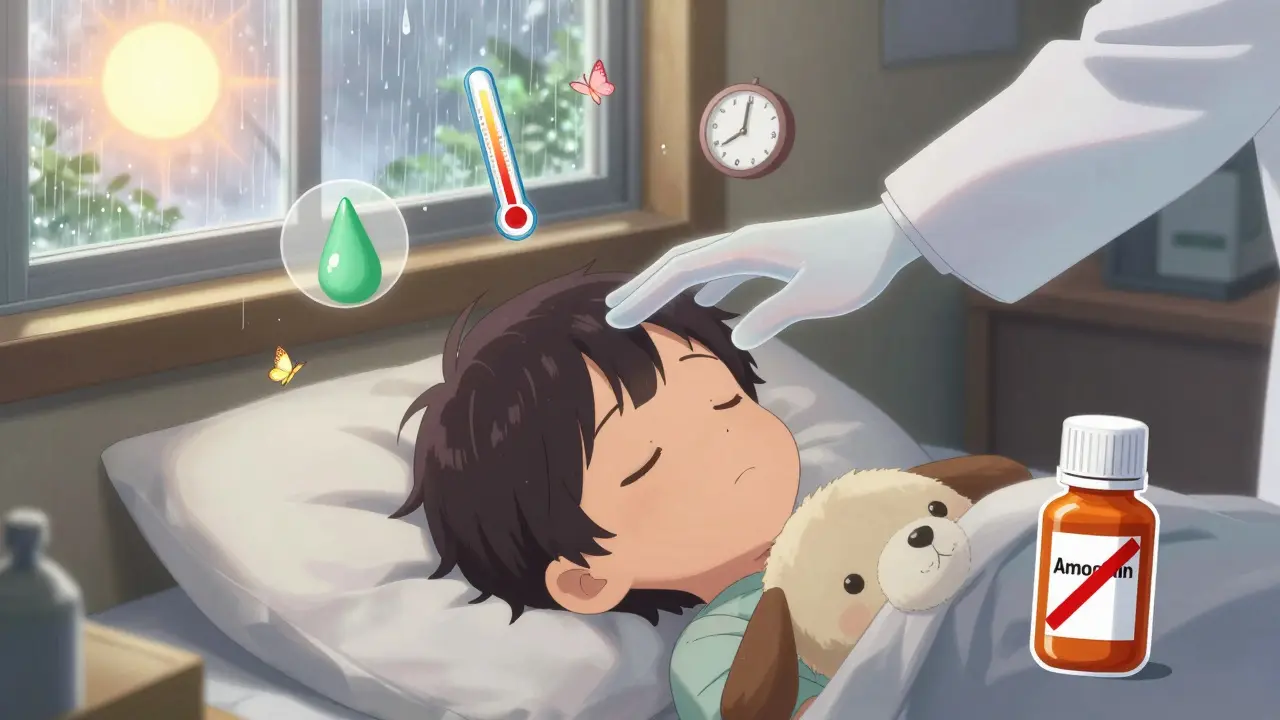
Why Stopping Early Is Dangerous
It’s tempting. Your child feels better after two days. The fever’s gone. The cough is gone. Why keep giving the medicine? Because stopping early is one of the biggest mistakes parents make.
Antibiotics don’t kill all the bacteria right away. They weaken them. If you stop early, the toughest survivors come back - stronger. This is how antibiotic resistance starts. Bacteria learn to survive the drugs we use.
The CDC reports that 30% of antibiotic-resistant infections in the U.S. come from kids who didn’t finish their courses. And resistance isn’t just a hospital problem. Community-acquired MRSA (a dangerous superbug) has jumped 150% since 2010. Now, 60% of pediatric MRSA cases happen outside hospitals.
Always finish the full course - even if your child feels fine. For amoxicillin, that’s usually 10 days. For azithromycin, it’s 3-5 days, even if symptoms vanish on day one.
What to Do If Your Child Vomits After Taking the Medicine
It happens. A child spits out half the dose. Or they vomit 20 minutes after swallowing.
- If vomiting happens within 30 minutes: give the full dose again.
- If vomiting happens 30-60 minutes after: give half the dose again.
- If vomiting happens after 60 minutes: no need to repeat - the medicine was absorbed.
Never guess. If you’re unsure, call your doctor or pharmacist. And if your child keeps vomiting after doses, ask about flavoring options. Some pharmacies offer to mix antibiotics with sweet flavors like strawberry or chocolate to make them easier to take.
How to Get Your Child to Take the Medicine
Let’s be honest - most liquid antibiotics taste awful. One study found 43% of kids refuse to take them because of the bitterness. Here’s what actually works:
- Use a dosing syringe, not a spoon. It gives you better control and less spillage.
- Give it right before a meal. The food helps mask the taste.
- Ask your pharmacy if they can add flavoring. Many can.
- For older kids, mix a small amount (1 tsp) with chocolate syrup or maple syrup. Don’t mix into a full glass - it might dilute the dose.
- Never mix into formula or milk. It can affect absorption.
Some parents try hiding the dose in applesauce or pudding. That’s okay - as long as your child eats the whole thing. If they leave a bite, you’re underdosing.
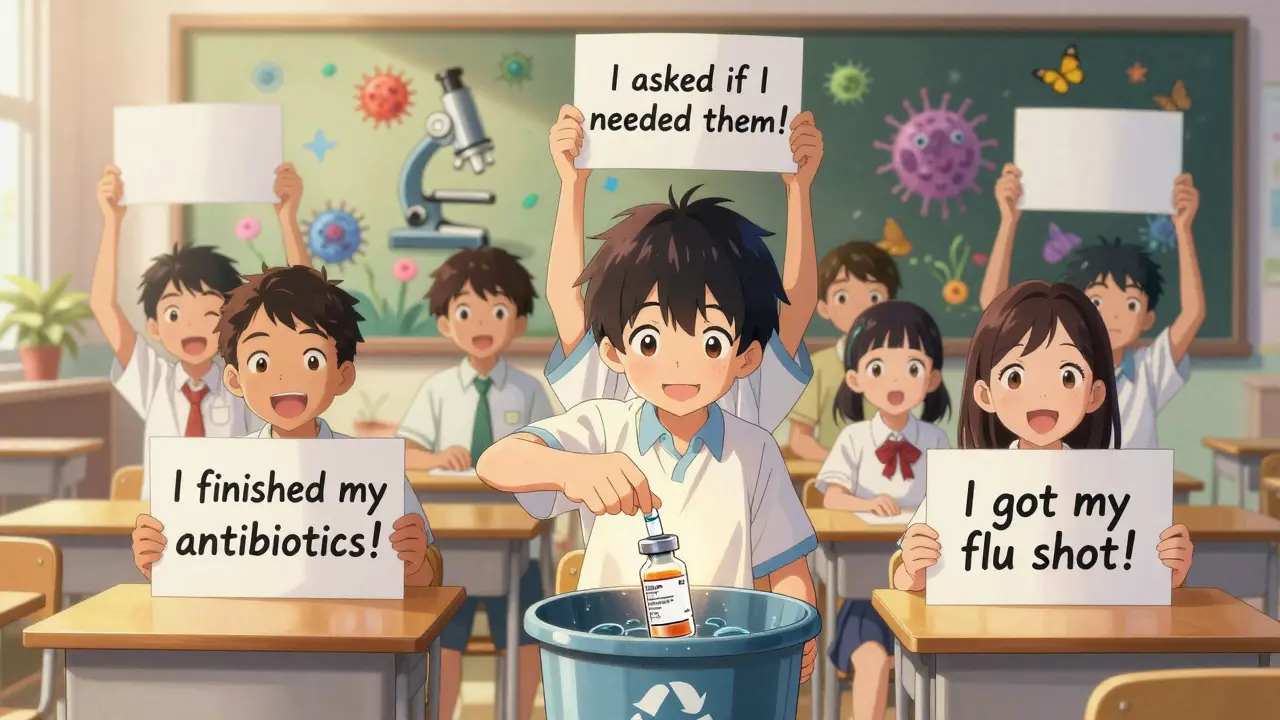
The Bigger Picture: Antibiotic Resistance Is Real - And Getting Worse
Every time we give an antibiotic when it’s not needed, we help bacteria become stronger. In the U.S., antibiotic-resistant infections cause over 2.8 million illnesses and 35,000 deaths each year. Kids are part of this problem - and part of the solution.
One of the biggest culprits? Misunderstanding symptoms. For example, 72% of parents think green or yellow mucus means a bacterial infection. But that color change is normal in viral colds. It doesn’t mean antibiotics are needed.
Even more alarming: in 2023, 47% of the bacteria that cause ear infections and pneumonia in kids were already resistant to penicillin. That’s up from 35% in 2013. We’re losing our most common tools.
But there’s hope. New tools are arriving fast. In January 2023, the FDA approved the first rapid antibiotic test for kids - results in 6 hours instead of 3 days. This means doctors can avoid broad-spectrum antibiotics and pick the right one faster. Another breakthrough? CRP blood tests, which can tell if an infection is bacterial or viral with 85% accuracy. Clinics using this test cut unnecessary prescriptions by nearly half.
What Parents Can Do Right Now
You can’t control everything - but you can control these five things:
- Ask: "Is this infection bacterial? How do you know?" Don’t be afraid to question.
- Wait: For mild ear infections or sinus issues, ask if you can wait 48-72 hours before starting antibiotics.
- Finish: Always complete the full course - even if your child feels fine.
- Don’t save: Never keep leftover antibiotics for "next time." They expire, and the wrong drug can be dangerous.
- Prevent: Vaccines like pneumococcal and flu shots reduce the need for antibiotics. Make sure your child’s are up to date.
Remember: fever doesn’t equal bacteria. A sore throat doesn’t mean strep. A cough doesn’t mean pneumonia. Most of the time, your child just needs rest, fluids, and time. The most powerful medicine isn’t a pill - it’s patience.
What to Watch For After Starting Antibiotics
Improvement should start within 48-72 hours. If your child’s fever is still high after two days, or they’re getting worse - call your doctor. Don’t just keep giving the medicine. It might not be working.
Also, watch for signs of a serious reaction: diarrhea with blood or mucus, extreme fussiness, refusal to eat, or a rash that spreads quickly. These could signal a rare but serious side effect like C. diff infection or an allergic reaction. Don’t wait. Get help.
Can antibiotics make my child’s diarrhea worse?
Yes. Antibiotics can disrupt the balance of good bacteria in the gut, leading to antibiotic-associated diarrhea. In about 15-25% of cases, this is caused by a dangerous bacterium called Clostridium difficile (C. diff). Signs include watery diarrhea, stomach cramps, and fever. If your child develops these symptoms during or after antibiotics, contact your doctor immediately.
Is it safe to give antibiotics with food?
It depends on the antibiotic. Amoxicillin can be given with or without food - food helps reduce stomach upset. Azithromycin is best taken on an empty stomach for better absorption. Always check the label or ask your pharmacist. Never mix antibiotics with milk or formula unless told to - it can block absorption.
My child had a rash after amoxicillin. Does that mean they’re allergic?
Not necessarily. About 80-90% of rashes from amoxicillin are non-allergic side effects - especially in kids with viral infections like mono or the flu. These rashes are flat, pink, and not itchy. True allergies involve hives, swelling, trouble breathing, or vomiting. If you’re unsure, ask your doctor about an allergy evaluation.
Can I give my child leftover antibiotics from a previous illness?
No. Antibiotics are prescribed for a specific infection, at a specific dose, for a specific length of time. Using old medicine for a new illness can be ineffective, dangerous, or even promote resistance. Always get a new prescription - even if symptoms seem similar.
Do antibiotics weaken my child’s immune system?
No - antibiotics don’t weaken the immune system. But they can temporarily reduce good gut bacteria, which play a role in immune health. This is why some kids get yeast infections or diarrhea after antibiotics. The immune system itself isn’t harmed. Giving probiotics after antibiotics may help restore balance, but always check with your doctor first.
Final Thought: Preserving Antibiotics for When They Really Matter
Antibiotics saved millions of lives. But they’re not infinite. Every unnecessary dose chips away at their power. The goal isn’t to avoid antibiotics - it’s to use them wisely. When your child truly needs them, you want them to still work. That means saying no to antibiotics when they won’t help. It means trusting time, fluids, and rest. And it means asking questions - not just accepting prescriptions.
For most childhood illnesses, the best medicine isn’t a pill. It’s patience. And that’s something every parent already has.


