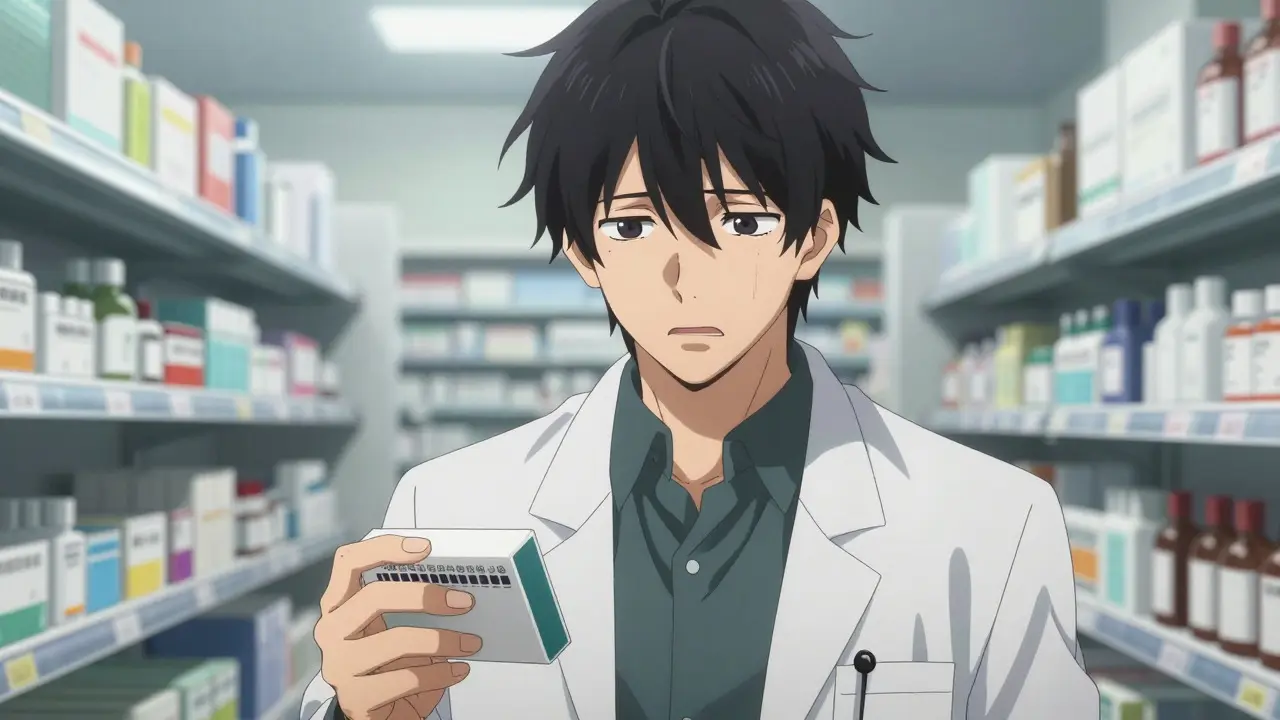
Imagine walking into a pharmacy to pick up your daily blood pressure medication, only to be told it’s gone. Not just out of stock for a few days, but unavailable indefinitely. You’re told to try a different brand that costs three times as much or switch to a drug that might not work as well for your specific condition. This isn’t a rare nightmare scenario; it is the daily reality for millions of patients and healthcare providers across the United States. Generic drug shortages have evolved from occasional hiccups into a systemic crisis that threatens patient safety and strains the entire healthcare infrastructure.
As of mid-2025, there are over 270 active drug shortages in the U.S., according to data tracked by the American Society of Health-System Pharmacists (ASHP). While this number fluctuates slightly month to month, it remains drastically higher than historical averages. For context, before 2007, we saw about 60 to 70 shortages per year. Today, the system is buckling under the weight of nearly 300 simultaneous disruptions. The core issue isn't just that drugs are missing; it's that the structure of the generic pharmaceutical market makes these shortages inevitable without significant policy changes.
The Root Causes: Why the Supply Chain Keeps Breaking
To understand why generic drugs vanish so often, we have to look at the economics behind them. Generic medications account for roughly 90 percent of all prescriptions filled in the U.S., yet they operate on razor-thin profit margins. Manufacturers of generic drugs often earn gross margins of only 5 to 10 percent, compared to 30 to 40 percent for brand-name drugs. This economic pressure creates a fragile environment where cutting corners on inventory or maintenance becomes tempting.
Manufacturing concentration is another major culprit. According to FDA data from 2023, approximately 70 percent of generic drugs have only one or two approved manufacturers. When you rely on a single factory for a critical medication, any disruption-whether it’s a machine breakdown, a fire, or a regulatory shutdown-immediately halts the national supply. There is no backup plan because there is no other player in the market willing to absorb the cost of producing that low-margin drug.
Furthermore, the global nature of the supply chain adds layers of vulnerability. Over 50 percent of drugs used in the U.S. are manufactured abroad. Specifically, about 80 percent of active pharmaceutical ingredients (APIs) come from facilities in China and India. This reliance on foreign manufacturing means that geopolitical tensions, trade tariffs, or local logistical issues halfway across the world can instantly impact shelves in Bristol or Boston. The median duration of a generic drug shortage has doubled from 12 months in 2011 to 24 months in 2023, showing that once a supply line breaks, it takes a long time to fix.
| Factor | Generic Drugs | Brand-Name Drugs |
|---|---|---|
| Profit Margin | 5-10% | 30-40% |
| Manufacturer Concentration | High (Often 1-2 makers) | Lower (Multiple competitors) |
| Shortage Impact on Price | +14.6% median increase | 0% median increase |
| Availability of Alternatives | Few therapeutic substitutes | More alternatives available |

The Human Cost: Safety and Access Challenges
The statistics are alarming, but the human impact is even more severe. When a drug goes short, patients don’t just wait; they suffer. A 2022 survey by the American Medical Association found that 63 percent of pharmacists reported serious adverse patient outcomes directly linked to drug shortages. These aren’t minor inconveniences. We are talking about delayed surgeries, interrupted cancer treatments, and uncontrolled chronic pain.
Oncology departments are particularly hard hit. In 2024, 67 percent of cancer centers reported having to modify chemotherapy regimens due to shortages of essential medications like cisplatin. Changing a chemo protocol isn’t a simple swap; it can reduce efficacy or increase side effects, potentially lowering survival rates. Similarly, hospital pharmacists report struggling with shortages of vancomycin, a critical antibiotic for treating resistant infections. Without it, hospitals are forced to use less effective or more expensive alternatives, putting patients at higher risk of complications.
For patients with chronic conditions, the lack of access leads to dangerous behaviors. Some stop taking their medication entirely, while others ration doses to make them last longer. Both scenarios lead to increased emergency room visits and hospitalizations. A forum post from a hospital pharmacist in June 2025 highlighted the frustration: “We’ve been out of vancomycin powder for 8 months now... putting patients at risk.” This sentiment is echoed across the country, where trust in the reliability of the healthcare system is eroding.
Operational Burdens on Healthcare Providers
The crisis doesn’t just affect patients; it overwhelms the staff who care for them. Managing drug shortages has become a full-time job for many pharmacists. According to ASHP’s 2024 workforce survey, pharmacists spend an average of 15 to 20 hours per week dealing with shortage-related activities. This includes hunting for alternative suppliers, updating electronic health records, and educating doctors and patients about substitute medications.
This administrative burden exacerbates existing staffing shortages. With 72 percent of hospitals reporting that drug shortages worsened their staffing challenges, burnout is rising. Independent pharmacies face similar pressures. The National Community Pharmacists Association reported that 78 percent of independent pharmacies spent over 12 hours a week finding alternatives. Worse, 43 percent said shortages caused patients to abandon prescriptions altogether due to cost or availability issues. The system is designed to deliver care, but right now, it is spending most of its energy managing scarcity.
Market Dynamics and Future Outlook
The root of the problem lies in market failures that disincentivize reliability. Dr. Valerie Malta, Director of the University of Utah Drug Information Service, notes that low-priced drugs are more vulnerable because they yield thin margins that don’t justify investment in quality production. The current market structure rewards the lowest price, not the most reliable supply. As FDA Commissioner Robert Califf testified in March 2024, “The current market structure for generic drugs does not incentivize reliability and quality over lowest price.”
Recent policy efforts, such as Executive Order 14050 which created an Essential Medicines List, have shown some promise. Shortages of these critical products fell by 32 percent between 2020 and 2023. However, progress stalled, and shortages rose again in 2023, hitting an all-time high in early 2024. Looking ahead, proposed tariffs on pharmaceutical imports could further disrupt the already fragile global supply chain. Analysts warn that tariffs ranging from 50 to 200 percent could severely impact the availability of sterile injectables and IV saline.
Without addressing the pricing structure that discourages investment in quality manufacturing, generic drug shortages will remain a persistent threat. The Congressional Research Service projects that without significant policy intervention, the number of active shortages could reach 350 by the end of 2026. The solution requires diversifying manufacturing geographically, creating financial incentives for reliable supply, and implementing better early warning systems. Until then, patients and providers will continue to navigate a broken system.
Why are generic drugs more likely to go on shortage than brand-name drugs?
Generic drugs have much lower profit margins (5-10%) compared to brand-name drugs (30-40%). This leaves little room for error or excess inventory. Additionally, many generic drugs have only one or two manufacturers, creating single points of failure. If that manufacturer has a quality issue or shuts down, there is no immediate backup supply.
How do drug shortages affect patient safety?
Shortages force patients to switch to alternative medications that may be less effective, have different side effects, or cost significantly more. In critical cases like cancer treatment or infection control, delays or substitutions can lead to worse health outcomes, increased hospitalizations, and even death. A 2022 AMA survey found that 63% of pharmacists saw serious adverse outcomes linked to shortages.
What is causing the recent increase in drug shortages?
The increase is driven by systemic vulnerabilities including manufacturing quality issues, raw material shortages, and supply chain fragility. Over 50% of U.S. drugs are made abroad, relying heavily on APIs from China and India. Consolidation in the generic market has also reduced the number of domestic manufacturing facilities, making the system less resilient to disruptions.
Are there any solutions being implemented to fix this crisis?
Yes, the FDA has established a Drug Shortage Task Force focusing on diversifying manufacturing, creating financial incentives for reliability, and improving early warning systems. Executive Order 14050 created an Essential Medicines List which helped reduce shortages of critical drugs by 32% between 2020 and 2023. However, experts say more aggressive policy changes regarding pricing and market structure are needed.
How long do typical drug shortages last?
The median duration of a generic drug shortage has increased significantly over the past decade. It was 12 months in 2011 but rose to 24 months by 2023. This doubling indicates that resolving supply chain disruptions is becoming more complex and time-consuming, leaving patients without consistent access to their medications for extended periods.